Why No Dairy After Dental Implant? Healing Tips & Food Guide
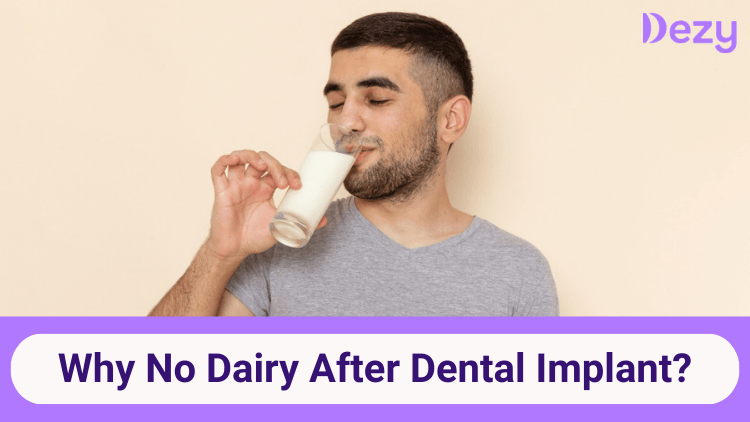
Getting a dental implant is a big step toward restoring your smile. The procedure itself is routine for dentists, but the healing phase that follows is just as important. What you eat during the first few days can directly affect how well your mouth recovers. One common recommendation dentists give is to avoid dairy products for a short period after surgery.
Understanding Dental Implant Healing
Dental implant healing is your body’s way of accepting the new implant and rebuilding tissue around it. During the first few days, the area around the implant is sensitive and needs time to settle.
Some important things happen during this stage:
The gum tissue begins to close around the implant site
Blood clots form to protect the surgical area
Your body starts the early stages of bone integration
Swelling and mild discomfort are common during the first 48 hours
Because this stage is delicate, dentists often recommend simple dietary restrictions that reduce irritation and lower the risk of complications.
Can You Have Dairy Products After Dental Implants?
It’s generally not recommended to take mil products immediately after dental implant surgery, especially within the first 24 to 72 hours.
Why No Dairy After Dental Implant?
Here’s why you shouldn’t rely on dairy after getting dental implants:
1. Increased Inflammation and Mucus
Some dairy products can increase mucus production in the mouth and throat. After oral surgery, extra mucus can make the surgical area feel uncomfortable and harder to keep clean. Inflammation around the implant site may also take longer to settle.
2. Keep Infection Risks at Bay
Fresh surgical wounds need a clean environment to heal properly. Certain dairy products may support bacterial activity in the mouth, especially if they remain around the implant site. Avoiding dairy during the first couple of days helps reduce the chances of infection.
3. Digestive Discomfort
Many patients are prescribed antibiotics and pain medication after dental implant surgery. For some people, dairy can interact poorly with these medications and lead to nausea or stomach discomfort. Avoiding dairy for a short time helps your digestive system stay stable during recovery.
4. Stay Comfortable, Not Congested
After oral surgery, the goal is to keep your mouth calm and irritation-free. Dairy products sometimes leave a coating in the mouth that may feel heavy or sticky near the surgical area. Choosing lighter foods instead can help you stay more comfortable.
5. Quick Recovery Timeline
The first two to three days after surgery are the most sensitive. During this time, even small irritations can slow down healing. Temporarily avoiding dairy helps create a cleaner environment for the gums to recover faster.
6. Long-Term Implant Success Starts Here
Dental implants are designed to last for many years. The early healing phase plays a major role in that long-term success. Simple precautions, including avoiding dairy briefly, help ensure the implant integrates well with the surrounding bone and tissue.
What Can You Eat Instead?
While dairy is temporarily restricted, there are still plenty of soft and gentle foods you can eat during recovery. Choose foods that are easy to chew and not too hot.
Some safe options include:
Mashed potatoes
Clear soups (not too hot)
Scrambled eggs
Oatmeal
Applesauce
Soft rice
Smoothies made with almond milk or coconut milk
These foods provide nourishment without disturbing the surgical area.
When Is It Safe to Reintroduce Dairy?
You can usually start dairy products again once:
Pain and swelling reduce
You complete the antibiotic course
Your dentist gives approval
When reintroducing dairy, start slowly. Small portions are better in the beginning. It is also wise to avoid very cold or sugary dairy items during the first few days of returning to normal foods.
Closing Thoughts
Dental implants are a reliable solution for replacing missing teeth, but proper care during recovery makes a real difference. Small dietary changes, including avoiding dairy for a short period, help protect the implant site while your mouth heals.
If you are planning a dental implant procedure or want guidance on post-treatment care, professional support matters. At Dezy Dental Clinics, dentists use advanced diagnostics and patient-friendly treatment plans to make implant procedures smoother and recovery easier. A consultation with an experienced dental team can help you understand the process clearly and ensure long-term implant success.
FAQs
Can I drink milk after dental implant surgery?
It’s best to avoid milk for at least 24 to 72 hours after surgery. Milk may increase bacterial activity in the mouth and may also interfere with certain antibiotics prescribed after the procedure.
Is curd or yogurt allowed after dental implants?
No. Even though curd contains probiotics, it can still encourage bacterial growth near the surgical area during early healing. Dentists usually advise avoiding it for the first couple of days.
Can I eat paneer after dental implant surgery?
Paneer should also be avoided during the initial healing stage. Once swelling reduces and your dentist confirms proper healing, you can slowly add it back to your diet in soft portions.
What happens if I accidentally consume dairy after an implant?
A small amount usually does not cause serious problems. However, frequent consumption during early healing may increase infection risk. If you notice swelling, pain, or discomfort, inform your dentist.
Is ice cream allowed after dental implant surgery?
Ice cream is not recommended right after surgery. It contains dairy and sugar, and the cold temperature can irritate the surgical area and slow the healing process.
Can I drink tea or coffee instead of milk?
Yes, but it should be lukewarm and without milk during the early healing phase. Extremely hot drinks should also be avoided because they can disturb the surgical site.
Why do dentists in India emphasise diet so much after implants?
Diet plays a major role in healing after oral surgery. Many Indian diets include dairy products regularly, so dentists highlight this restriction to reduce infection risks and improve implant success rates.
How Long Should You Avoid Dairy After a Dental Implant?
Most dentists recommend avoiding dairy for: 24 to 72 hours after surgeryAlways follow your specific dentist’s instructions, as healing time may vary depending on the procedure and your overall health.