Titanium Dental Implants: Benefits, Procedure, Types & Cost in India
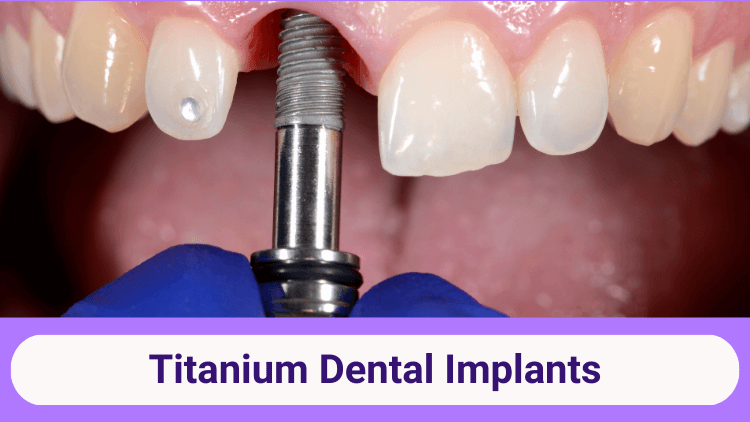
Losing a tooth can affect much more than just your smile. It can change the way you chew, speak, and even how your jawbone functions over time. Dental implants have become one of the most reliable ways to restore missing teeth. In this blog, we will take a closer look at titanium dental implants, how they work, and why dentists recommend them so often.
What Are Titanium Dental Implants?
Titanium dental implants are small metal posts placed inside the jawbone to replace the root of a missing tooth. They are designed to support crowns, bridges, or dentures and act like a strong base for artificial teeth. Because titanium bonds naturally with bone, the implant becomes stable over time. This allows the replacement tooth to function very much like a natural one.
Why Titanium Is Used for Dental Implants?
Titanium is widely used in dental implants because the human body accepts it very well. The material can fuse with the jawbone in a natural healing process known as osseointegration. It is also strong, lightweight, and resistant to corrosion. Once placed inside the mouth, titanium forms a protective layer that helps prevent reactions from the body, making implant rejection extremely rare.
Types of Titanium Dental Implants
Here’s a breakdown of different types of dental implants:
1. Endosteal Implants (Most Common)
Endosteal implants are the most widely used type of dental implant. These implants are placed directly into the jawbone and usually look like small screws. After healing, they provide a strong base for attaching crowns, bridges, or dentures. Because they integrate well with the bone, dentists often prefer this option when the patient has sufficient jawbone density.
2. Subperiosteal Implants
Subperiosteal implants are placed under the gum but above the jawbone rather than inside it. They are supported by a metal framework that rests on the bone. This option is sometimes recommended for patients who do not have enough bone height and may not be suitable candidates for bone grafting procedures.
Titanium Dental Implant Procedure
Getting a dental implant usually happens in several stages. Each step ensures that the implant becomes stable and functions properly.
Step 1: Consultation and Planning
The dentist examines your mouth, reviews your medical history, and may take scans or X-rays to evaluate bone density. A treatment plan is then created based on your needs.
Step 2: Tooth Extraction and Grafting (If Needed)
If a damaged tooth is still present, it may be removed first. In some cases, bone grafting is recommended to strengthen the jawbone before implant placement.
Step 3: Implant Placement Surgery
During this procedure, the titanium implant post is inserted into the jawbone. The surgery is typically performed under local anaesthesia.
Step 4: Osseointegration (Healing)
Over the next few months, the implant gradually fuses with the surrounding bone. This process creates a strong and stable foundation for the new tooth.
Step 5: Abutment Placement
Once healing is complete, a small connector called an abutment is attached to the implant. This piece will hold the artificial tooth in place.
Step 6: Crown Attachment
Finally, a custom-made crown is placed on the abutment. The crown is designed to match the shape and colour of your natural teeth.
Benefits of Titanium Dental Implants
Titanium dental implants come with several benefits such as:
Osseointegration and Biocompatibility - Titanium bonds naturally with bone, creating a stable and secure foundation for artificial teeth.
Strength and Durability - Titanium implants are known for their long-lasting strength. With proper care, they can function reliably for many years.
High Success Rate - Dental implants made from titanium have a strong track record in dentistry, with high success rates reported across many studies.
Improved Function and Comfort - Unlike removable dentures, implants stay fixed in place. This allows patients to chew, speak, and smile more comfortably.
Preserves Natural Teeth - Implants do not rely on neighbouring teeth for support, which helps preserve surrounding tooth structure.
Versatility - Titanium implants can support single crowns, bridges, or even full-arch restorations, making them suitable for different dental situations.
Who Is a Good Candidate for Titanium Dental Implants?
You may be a suitable candidate for titanium implants if you:
Have one or more missing teeth
Have healthy gum tissue
Have sufficient jawbone density or can undergo bone grafting
Do not have uncontrolled diabetes or advanced gum disease
Maintain consistent oral hygiene habits
A dentist will always evaluate your oral health and medical history before recommending implant treatment.
What is Titanium Dental Implants Cost in India?
The cost of a single titanium dental implant in India generally ranges from ₹25,000 to ₹60,000 per tooth. Prices may vary depending on the clinic, the implant brand used, and the complexity of the procedure.
Approximate Cost Breakdown
Factors That Affect Titanium Dental
Location of the clinic
Dentist’s experience and expertise
Type of crown selected
Additional procedures such as bone grafting
Although implants may seem costly initially, they are often considered a long-term investment because they can last decades with proper care.
Alternatives to Titanium Dental Implants
While titanium implants remain the most widely used option, some alternatives are also available depending on patient preferences and clinical needs.
1. Ceramic (Zirconia) Implants
Zirconia implants are metal-free and naturally white in colour, which can offer better aesthetics in some cases. They are also considered hypoallergenic. However, they have less long-term clinical research compared to titanium and may be more brittle.
2. Polyetheretherketone (PEEK) Implants
PEEK is a high-performance polymer that researchers are studying as a possible implant material. Its mechanical properties are closer to natural bone. However, it is still under clinical evaluation and not commonly used in routine dental treatments.
3. Surface Modified or Coated Implants
Some implants use a titanium base coated with materials such as hydroxyapatite or bioactive glass. These coatings are designed to improve bone bonding and support faster healing.
Closing Thoughts
Titanium dental implants remain one of the most trusted and effective solutions for replacing missing teeth. Thanks to their strength, durability, and ability to naturally fuse with the jawbone, they provide a stable foundation that closely mimics natural tooth roots. While the treatment process may take a few months, the long-term benefits such as improved chewing ability, better speech, and enhanced confidence make it a worthwhile investment for many patients.
If you are considering dental implants, consulting an experienced dental professional is the best way to understand whether titanium implants are the right option for your specific dental needs. A proper evaluation will help ensure safe treatment and long-lasting results.
FAQs
Are titanium dental implants painful?
No. The procedure is performed under local anaesthesia, so you should not feel pain during surgery. Some mild discomfort after the procedure is normal and can usually be managed with medication.
How long do titanium dental implants last?
With good oral hygiene and regular dental checkups, titanium implants can last 20 years or even longer.
Can titanium dental implants rust or corrode?
No. Titanium is highly resistant to corrosion and remains stable inside the human body.
Are titanium implants suitable for elderly patients?
Yes. Age itself is not a limitation. As long as overall health and bone condition are suitable, older adults can successfully receive dental implants.
Is titanium better than zirconia implants?
Titanium implants have a longer history of clinical success and are more widely used. They also tend to be more flexible under pressure compared to zirconia.
How soon can I eat after implant surgery?
Soft foods are usually recommended for the first 24 to 48 hours. Normal chewing typically resumes once healing progresses.
Are titanium dental implants safe?
Yes. Titanium dental implants are widely used around the world and have decades of clinical evidence supporting their safety and reliability. They are approved by major health authorities and remain one of the most trusted solutions for tooth replacement.