What Are Mini Dental Implants? Benefits, Cost & Procedure
If you’ve been thinking about dental implants but feel confused by the cost, treatment time, or bone requirements, mini dental implants might just be what you need. They are smaller, simpler to place, and often more affordable. Even better, they can support dentures and replace missing teeth. These implants offer a stable, confident smile without major surgery.
This simple guide helps you understand what mini dental implants are, how they work, their benefits, cost, aftercare, risks, and whether they could be the right solution for your smile.
What are Mini Dental Implants?
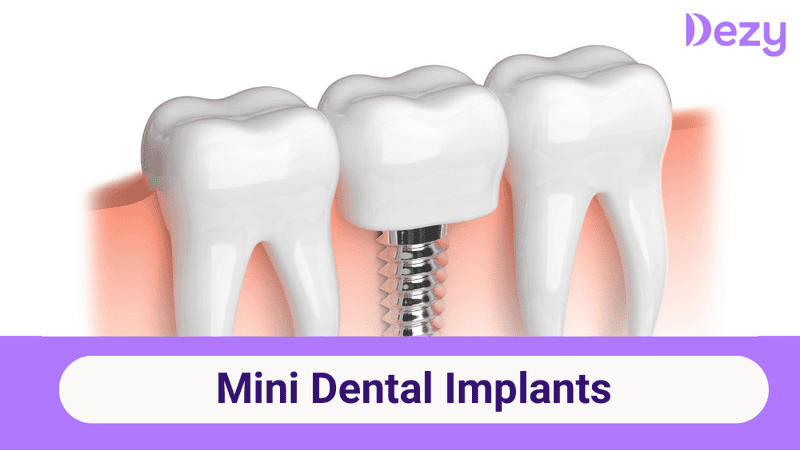
Mini dental implants are slim titanium posts, usually less than 3 mm in diameter. They are used to replace missing teeth or anchor loose dentures. Even though they are smaller than traditional implants, they are strong enough to support crowns, bridges, or denture plates.
They integrate with the jawbone over time while achieving immediate stability, allowing faster function than traditional implants.
When Should Someone Choose Mini Dental Implants?
You may be a good candidate for mini dental implants if you:
Have limited jawbone and want to avoid bone grafting
Need to replace one or a few teeth without heavy chewing demands
Prefer a quicker, minimally invasive procedure
Are looking for a more budget-friendly solution
A dental consultation is essential to confirm suitability. Your dentist will assess bone quality, gum health, bite forces, and long-term expectations before recommending the best option.
How Do Mini Dental Implants Work?
Mini dental implants are placed directly into the jawbone under local anaesthesia. Over time, the bone fuses with the implant, allowing it to function like a natural tooth root.
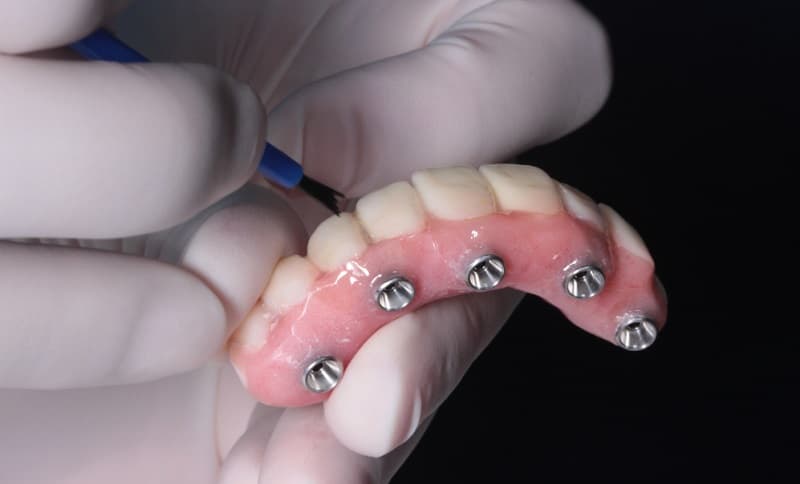
Once stabilised, the implant supports a crown, bridge, or denture. In selected cases, mini implants can also be used to support full-arch dentures, though they may not be suitable for all full-mouth restorations.
The procedure involves creating a very small opening in the bone and securing the implant usually without stitches.
Benefits of Mini Dental Implants
Mini dental implants are popular for their comfort, simplicity, and affordability. Key benefits include:
Smaller, Less Invasive Procedure: Minimal incisions and reduced bone drilling mean less discomfort, minimal swelling, and faster recovery.
More Affordable Treatment: Fewer steps, shorter appointments, and reduced need for grafting make mini implants more budget-friendly.
Suitable for Limited Bone Support: They are often ideal for patients with thinner jawbones where traditional implants may require reconstruction.
Possibility of Same-Day Teeth: In many cases, crowns or dentures can be attached on the same day as implant placement.
Improved Denture Stability: Mini implants securely anchor loose dentures, improving comfort while eating and speaking.
Ideal for Narrow Spaces: Their slim design works well in tight areas such as lower front teeth.
Helps Maintain Facial Structure: By supporting the jawbone, mini implants help prevent bone loss and facial sagging over time.
Cost of Mini Dental Implants
The cost of mini dental implants in India typically ranges from ₹15,000 to ₹40,000 per implant, but can vary significantly based on location, clinic reputation, material, and if extra procedures like bone grafting are needed, with some clinics quoting ₹25,000 to ₹40,000 per implant. Mini implants are cheaper than traditional ones due to their smaller size and simpler, single-piece structure, making them ideal for cases with limited bone.
Estimated cost based on treatment type:
Multiple mini dental implants: ₹40,000 to ₹1,20,000+ (depending on the number of implants)
Mini implant–supported dentures (per arch): ₹80,000 to ₹2,00,000
Full mouth mini dental implants: ₹1,60,000 to ₹3,50,000+
The final cost may also include diagnostic scans, type of prosthesis used, dentist’s expertise, and follow-up care. A detailed dental consultation helps determine the exact treatment plan and personalised pricing.
Factors That Can Affect the Cost:
Number of implants required
Tooth location (front vs back)
Type of crown, bridge, or denture
Bone and gum health
Dentist’s experience and clinic location
Additional procedures, if needed
Although mini dental implants are budget-friendly, the best way to know your exact cost is through a personalized consultation. Your dentist will examine your oral health, discuss suitable options, and provide a clear treatment plan with transparent pricing.
Mini Dental Implants vs Traditional Dental Implants
Mini dental implants are slimmer, less invasive, and often more affordable, while traditional implants are thicker, stronger, and designed for heavier bite support. If you are unsure which one suits your mouth, this quick comparison table helps you understand key differences, so you can make a confident choice.
Mini Dental Implant Procedure
Are you ready to get the mini dental implants? The procedure is usually quick, minimally invasive, and designed to get you back to smiling with confidence in no time. Here’s a step-by-step breakdown of what typically happens, so you know exactly what to expect.
Consultation & Planning: Clinical examination with X-rays or 3D scans to create a customised plan by your dentist and the team.
Implant Placement: The mini implant is gently inserted through a small opening using Advanced tools usually without stitches.
Implant Placement: The mini implant is gently inserted through a small opening using Advanced tools usually without stitches.
Prosthetic Attachment: A crown, bridge, or denture is attached, often on the same day.
Recovery & Follow-Up: Most patients resume normal activities within 24–48 hours, with scheduled check-ups for healing.
Aftercare for Mini Dental Implants
Good aftercare helps your implant heal well and last longer. Follow these simple but important aftercare tips:-
Diet and Soft Food Choices
In the first few days, stick to soft and gentle foods like khichdi, mashed potatoes, banana, dal, or yoghurt. Hard or spicy foods can disturb healing and may irritate the gums.
Oral Hygiene During Healing
You can gently rinse with warm salt water after the first 24 hours. Avoid brushing directly on the implant on day one, but after that, you can lightly clean around it to keep the area bacteria-free.
Management of Discomfort, Swelling, and Bleeding
Mild bleeding or soreness is common in the first day or two. Cold compresses help reduce swelling, and your dentist may give medication to ease discomfort.
Care for Implant-Supported Dentures
If your dentures are attached to mini implants, handle them carefully. Clean them daily, avoid putting pressure on the gums, and follow your dentist’s instructions for safe insertion and removal.
Long-Term Implant Care Habits
These small habits help extend implant life:
Brush twice daily using a soft toothbrush
Use an interdental brush or water flosser for deep cleaning.
Avoid chewing ice, grinding teeth, biting your nails, or using your teeth to open packets.
Keep follow-up appointments for professional cleaning
Eat a balanced diet and avoid extremely hard foods
Possible Pitfalls and Issues With Mini Dental Implants
Mini dental implants are widely considered safe and effective. Like any dental procedure, there are a few potential considerations to be aware of. Understanding these helps you prepare better and minimise risks.
Infection Around the Implant Site: If post-treatment care is not followed properly, bacteria can build up around the implant area. Maintaining good oral hygiene, using saltwater rinses, and following your dentist’s instructions greatly lowers this risk.
Irritation to Nearby Teeth or Nerves (Rare): In uncommon cases, implant placement close to surrounding structures may cause temporary nerve sensitivity or mild irritation. This risk is significantly reduced when the procedure is performed by an experienced dentist using advanced imaging and planning.
Loosening or Reduced Stability Over Time: Mini dental implants may experience reduced stability under heavy biting forces, especially in back teeth. Routine dental visits allow your dentist to monitor the implant and address any early signs of movement.
Mild Gum Irritation or Discomfort: Some patients may notice slight gum sensitivity, particularly when dentures are attached. This is usually easy to resolve with minor adjustments or improved cleaning techniques.
Material Sensitivity (Very Rare): Most mini implants are made from biocompatible titanium, which suits the vast majority of patients. In very rare cases of sensitivity, alternative materials such as zirconia can be considered.
Conclusion
To conclude, mini dental implants are a smart, simplified, and budget-friendly option for people looking to restore their smile with less surgery and faster recovery. They offer stability, comfort, and natural-looking results without the complexity of traditional implants.
But remember, every smile has its own story. What works well for one person may not be right for another. The best decision always comes from a personalised consultation with a dental expert.
FAQs
1. How long does the mini-implant procedure take?
It all depends on your case. A single implant may take around 30 minutes, multiple implants can take 2-3 hours, and a full mouth mini dental implant procedure takes 3-4 hours.
2. Is a bone graft necessary to get mini dental implants?
Not always. Mini implants are slim and usually fit in narrow bone areas without the need for grafting.
3. Are mini dental implants permanent?
Mini implants are built for long-term use but may not last as long in areas with heavy chewing pressure.
4. How painful is the mini implant procedure?
Most people experience mild discomfort after the mini-implant procedure since it is minimally invasive. Pain relief medication helps with early healing.
5. Do mini implants feel natural?
Yes, once healed, mini dental implants look, feel, and function like real teeth.
6. What is the lifespan of mini implants?
Although mini dental implants are strong and frequently endure for many years, they may not last as long in areas with greater bite force.
7. Is it possible to use mini dental implants for every tooth?
Mini implants might not be advised for rear molars or big bridges, but they are particularly good for small teeth and denture stabilization.
8. Do mini dental implants require special cleaning?
They are permanent and should be brushed and water-flossed on a regular basis much like real teeth.
9. Can mini implants be given to older patients?
Indeed, getting mini dental implants has no upper age limit.
10. When can I start eating after receiving mini implants?
Most patients can eat soft foods within a day and gradually return to a normal diet as advised by their dentist.
11. Is it possible to use mini dental implants for either upper or lower teeth?
Indeed, depending on the implant location and bone condition, they can be positioned in both the upper and lower jaws.
12. Do mini implants need particular upkeep?
No, maintaining mini implants requires routine brushing, flossing, and dental examinations, just like maintaining natural teeth.