Ceramic Dental Implants: Benefits, Cost in India & Procedure
When someone mentions dental implants, the first questions are usually the simple ones. Will it look natural? Will it feel strange? Will it last? That is where ceramic dental implants often come into the picture. Unlike traditional metal implants, ceramic implants are white, metal-free, and designed to blend seamlessly with your gums.
If you are considering implants and want to understand whether ceramic implants make sense for you, this guide walks you through the basics. No heavy jargon. Just clear information to help you feel more confident before speaking to a dentist.
What Are Ceramic Dental Implants?
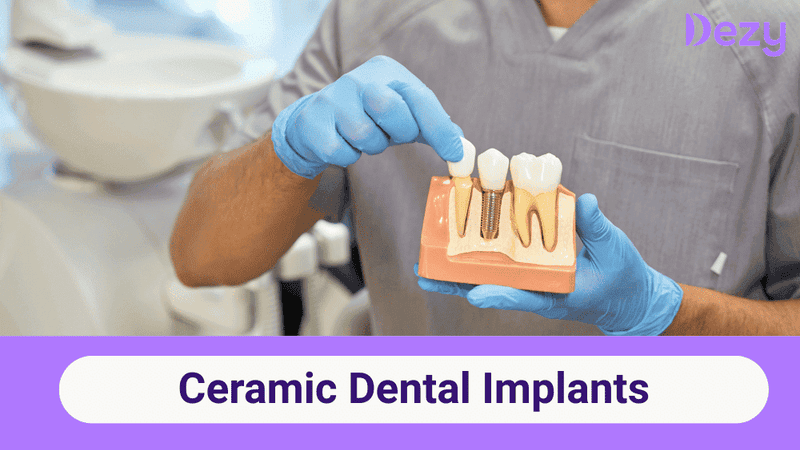
Ceramic dental implants are artificial tooth roots placed into the jawbone to replace missing teeth. Once healed, they support a crown or bridge and allow you to chew and smile normally again.
What makes them different is the material. These implants are made from ceramic, mostly from zirconia, which is a strong material. They are completely free of metal. Because of this, they look more natural. They are often preferred by patients who want a less visible implant option.
What are Key Components of Ceramic Dental Implants?
Most ceramic implant systems include:
An implant post that goes into the jawbone and acts as the tooth root
An abutment in some systems, which connects the implant to the crown
A ceramic crown that is shaped and shaded to match your natural teeth
Together, these parts replace both the function and appearance of a real tooth.
Who Is a Good Candidate for Ceramic Dental Implants?
Ceramic implants may suit you if you:
Prefer a metal-free tooth replacement
Need implants in visible smile areas
Have thin, sensitive, or recession-prone gums
Are concerned about metal exposure
Caution: Certain medical conditions or severe bone loss may limit options. That is why professional evaluation is essential before deciding.
Benefits of Ceramic Implants
From a natural look to healthier gums, ceramic dental implants offer a range of advantages, as mentioned below:
Superior Aesthetics
Ceramic implants can blend in with natural teeth and gums since zirconia is white. This is particularly apparent in the front of the lips, where even slight color variations can alter the appearance of your grin.
Metal Sensitivities and Biocompatibility
The surrounding tissues are not harmed by ceramic implants because there is no metal involved. Knowing this gives you peace of mind, particularly if you have previously experienced reactions or sensitivities.
Gum Health and Plaque Resistance
Compared to metal surfaces, zirconia surfaces typically accumulate less plaque compared to some metal surfaces, especially when well-polishe. When used in conjunction with excellent dental hygiene practices, this can promote healthier gums, even though it cannot take the place of regular cleaning.
Potential Drawbacks of Ceramic Implants
Ceramic dental implants offer clear advantages, but they are not automatically the best option for everyone. Understanding both sides helps you decide with realistic expectations.
Costlier Option
The cost of ceramic dental implants is usually more than titanium because zirconia is a premium and metal-free material. Another reason for ceramic implants being expensive is that placing them requires precise expertise to ensure the best results.
Evidence Compared to Titanium
Titanium implants have a longer history and more long-term studies. Ceramic implants work very well in suitable cases, but careful planning and case selection are important.
Ceramic Dental Implants vs Titanium Dental Implants
Choosing between ceramic and titanium dental implants depends on your aesthetic goals, medical history, and bite requirements. Here’s a quick comparison to help you understand the key differences.
Aesthetics and Gum Discoloration
Ceramic implants are white and blend naturally with teeth and gums, reducing the risk of grey gum lines. Titanium implants may show slight dark shading in patients with thin or sensitive gums.
Biocompatibility and Allergies
Ceramic dental implants are completely metal-free and well-tolerated by surrounding tissues. Titanium is also highly biocompatible, but ceramic is often preferred for patients with metal sensitivities.
Strength, Flexibility, and Fracture Risk
Titanium implants are slightly more flexible and better suited for high biting forces. Modern zirconia implants have significantly improved strength compared to earlier generations
Design and Clinical Use
Ceramic implants are available in one-piece and newer two-piece designs, offering improved placement options. Titanium implants remain more versatile for complex or full-mouth cases.
Long-Term Evidence
Titanium has decades of clinical data supporting its long-term success. Ceramic implants show promising results, with growing evidence in carefully selected cases.
Ceramic Dental Implants Cost in India
In general, ceramic implants are more expensive than titanium implants because of the material and handling involved. The cost of ceramic dental implants in India varies based on several factors. They usually cost between ₹50,000 and ₹90,000 per tooth. The final price depends on the implant brand, crown material, and how complex your case is.
In comparison, the same ceramic implant treatment in the United States typically costs USD 4,000 to 6,000 per tooth, which translates to roughly ₹3.3 to ₹5 lakh. This higher cost is largely due to increased clinic overheads, labour charges, and healthcare pricing structures in the US.
Even at the higher end, ceramic dental implants in India remain far more affordable. So, you can still benefit from advanced materials, modern technology, and experienced implant specialists, without the steep international price tag.
Cost Breakdown:
The overall cost usually covers:
The ceramic implant itself
The abutment and crown
Surgical placement
Digital scans, planning, and follow-up visits
What Drives the Price:
Pricing can change depending on:
The implant system used
Your bone condition and case complexity
Whether additional procedures are needed
The dentist’s expertise and clinic infrastructure
Ceramic Dental Implants: Procedure From Consultation to Final Crown
The process for ceramic implants follows clear, planned steps.
Step 1: Consultation and 3D Imaging
Your dentist evaluates your gums, bone, and bite using digital scans to plan the implant accurately.
Step 2: Surgical Placement
The implant is gently placed into the jawbone using the appropriate ceramic system.
Step 3: Healing and Integration
Over the next few months, the implant bonds with the bone. This healing phase is essential for long-term stability.
Step 4: Crown Placement
Once healing is complete, a custom ceramic crown is attached to restore function and appearance.
Step 5: Follow-up and Care
Routine follow-ups help ensure the implant stays healthy and comfortable.
How Long Do Ceramic Dental Implants Last?
With proper care and professional placement, ceramic implants can last many years. Long-term success depends on hygiene, follow-ups, and lifestyle habits.
Ceramic Dental Implants Daily Care Tips
Brush twice daily with a soft toothbrush
Use water flossers or interdental brushes
Avoid chewing extremely hard foods
Minor risks like gum irritation or crown wear can occur. Regular dental visits help catch and manage such issues early.
Why Choose Dezy for Ceramic or Titanium Implants in India?
At Dezy, implant care is focused on clarity, comfort, and expert guidance.
Proven Implant Expertise: With a network of 3,000+ dentists across 200+ clinics, Dezy connects you with skilled implant professionals.
Transparent Pricing: You receive clear treatment plans without hidden surprises.
Digital Consultations and Planning: Advanced scanning and planning help improve accuracy and comfort.3
Patient-First Care: Every implant recommendation is tailored to your needs, not a standard template.
Conclusion
Ceramic dental implants offer a modern, metal-free solution for replacing missing teeth, especially for patients who prioritise natural aesthetics and gum health. With their tooth-coloured appearance, good biocompatibility, and growing clinical evidence, they can be an excellent choice in the right cases. However, they may not be suitable for everyone, as factors like bone quality, bite force, and overall oral health play an important role.
The best way to decide between ceramic and titanium implants is through a detailed consultation with an experienced implant dentist. With proper evaluation, precise placement, and good oral care, ceramic dental implants can provide a long-lasting, comfortable, and confident smile.
Frequently Asked Questions (FAQs)
1. What benefits can ceramic dental implants offer?
They look natural, don't contain any metal, and are kind to gums.
2. What is the lifespan of ceramic implants?
Like titanium implants, they can last for many years with the right maintenance.
3. How much does a ceramic implant cost?
The complexity of the case and the clinic's level of experience determine the costs.
4. Are dental implants made of ceramic safe?
Indeed. When implanted by skilled implant dentists, they are both safe and efficient.
5. What advantages do ceramic implants have over titanium ones?
Ceramic implants offer various benefits, including improved gum look, no metal exposure, and better aesthetics.