Single Tooth Implant in India: Cost, Procedure, Recovery & Benefits
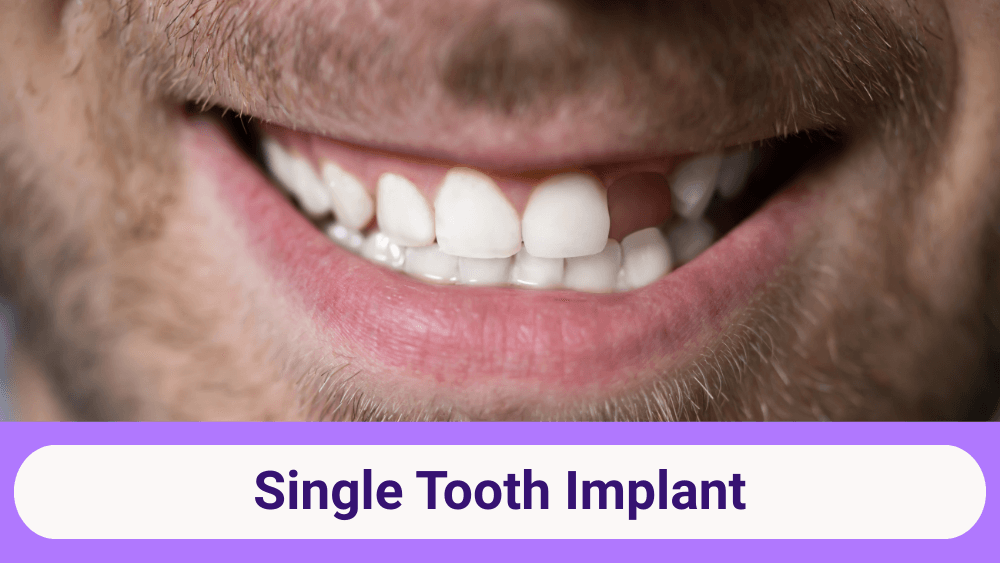
Losing even a single tooth can create more trouble than you might expect. It affects how you chew, how you speak, and even how confident you feel when smiling. Over time, the gap left behind can cause neighbouring teeth to shift, leading to more oral health issues. That’s where a dental implant comes in. It offers a permanent and natural-looking solution by replacing both the lost tooth and its root. In this guide, we’ll walk you through the cost of a single tooth implant in India, how the procedure works, what to expect during recovery, and answer common questions many patients have.
What Is a Single Tooth Implant?
A single tooth implant is a permanent, surgical dental solution that replaces a single missing tooth with a titanium post, acting as a root, and a custom crown. Once it heals, a custom-made crown is attached to give the look and feel of a natural tooth. This option not only fills the gap but also helps maintain jawbone health and keeps nearby teeth stable.
Key Components of Single Tooth Implant and Their Role
There are 3 main componsnets/ parts of detal implant:
Implant Post: This is a small screw made of biocompatible titanium that is surgically inserted into the jawbone. It works like the root of a tooth, fusing with the bone over time to create a strong, stable base.
Abutment: Once the implant has healed and is secure in the jaw, an abutment is attached. This small connector holds the crown securely and makes sure it stays in place during everyday use.
Dental Crown: The crown is the part that looks like a real tooth. It is carefully shaped and coloured to match the surrounding teeth, making the implant look completely natural. It restores chewing, speaking, and aesthetics.
Who Is a Good Candidate for a Single Tooth Implant?
Not everyone is suited for a single tooth implant, but many people can benefit from it if a few basic conditions are met. This treatment is best for those who are healthy, have good oral hygiene, and meet the following criteria:
Healthy Gums and Enough Bone: The person should have healthy gums and enough jawbone to support the implant properly. Without this, the implant might not stay stable.
Missing Just One Tooth: It works best when only one tooth is missing and the nearby teeth are still strong and healthy. This makes the implant easier to place and helps it blend in naturally.
Jaw Growth is Complete: The person should be fully grown. If the jaw is still developing, the implant might shift or become misaligned over time.
No Serious Health Problems: Conditions like uncontrolled diabetes or immune disorders can slow down healing. People who don’t have such issues tend to recover faster and see better results.
Open to Bone Grafting if Needed: If there isn’t enough bone, a bone graft might be needed before placing the implant. A good candidate is someone who is healthy enough and willing to go through this step if the dentist recommends it.
Single Tooth Implant Process (Step-by-Step)
If you are thinking about getting a single tooth implant, here's how the process usually goes:
1. Consultation, Scans, and Treatment Planning
The first step is to visit your dentist or implant specialist for a consultation. During this visit, they’ll check your overall oral health and take detailed X-rays or 3D scans. These scans help assess your jawbone condition and plan the exact spot for placing the implant. The dentist also discusses your medical history, budget, and timeline to create a treatment plan tailored to you.
2. Implant Placement Surgery
Once the planning is done, the next step is placing the implant. This is a minor surgical procedure done under local anaesthesia. The dentist inserts a small titanium screw into the jawbone where the missing tooth was. This screw acts as a root for the future crown. You might experience some mild swelling or discomfort after the surgery, but it usually settles within a few days.
3. Healing and Osseointegration Timeline
After surgery, the healing phase begins. This is when the implant fuses with your jawbone in a process called osseointegration. It typically takes about 3 to 6 months, depending on your bone quality and overall health. During this time, the implant becomes strong enough to support the final crown. Some patients may receive a temporary crown or bridge during healing.
4. Crown Placement and Final Restoration
Once the implant has fully integrated with the bone, the dentist places an abutment on top of it. This is a connector that holds the crown. Then, a custom-made crown is attached. It is designed to match your natural teeth in shape and colour. After the crown is placed, you’ll be able to eat, speak, and smile with full confidence again.
5. Total Duration from Start to Finish
The entire process of getting a single tooth implant can take anywhere from 3 to 9 months. It depends on your healing speed, bone quality, and whether additional procedures like bone grafting are needed. Although it takes time, the results are long-lasting and often feel just like a natural tooth.
Single Tooth Implant Cost in India
A single tooth implant in India usually costs between ₹20,000 and ₹70,000. On average, most people end up paying around ₹25,000 to ₹50,000. This price usually includes the implant screw (fixture), the abutment that connects the crown, and the crown itself. Some clinics offer premium options that may go as high as ₹80,000 depending on materials and technology used.
Key Cost Factors Affecting Single Tooth Implant Cost
The cost of dental implants varies due to several factors. Here’s a quick look at what affects the total cost:
Implant Brand: Trusted international brands like Straumann or Nobel BioCare tend to cost more than Indian or mid-tier brands.
Crown Material: Zirconia crowns are more durable and natural-looking but are more expensive than metal-ceramic crowns.
City/Tier: Clinics in cities like Mumbai, Delhi, or Bangalore usually charge more than those in Tier-2 cities.
Clinic Reputation: Well-known hospitals and dental chains may charge higher for advanced technology and experienced implantologists.
Implant Type: Even for a single tooth, advanced implant types such as immediate-load or premium surface-treated implants usually cost more than conventional implants due to faster healing benefits and improved long-term stability.
Additional Treatments: Costs can increase if bone grafts, sinus lifts, or 3D scans are needed before the implant procedure.
Estimated Cost Breakdown (One Tooth)
General Price Segments
Basic Implants: ₹20,000 – ₹30,000 (typically local brands, basic crown)
Mid-Range: ₹30,000 – ₹40,000 (mix of Indian and imported brands, ceramic crowns)
Premium Implants: ₹40,000 – ₹50,000+ (top global brands with zirconia crown)
If you're comparing clinics, make sure you're comparing the same quality and services. Prices may seem similar on the surface but can vary a lot once you check what's included.
City-wise Average Cost of Single Tooth Implant in India
Benefits of Single Tooth Implants
Improved Oral Health: Single tooth implants help protect your other teeth. Unlike traditional bridges, they don’t require grinding or reshaping nearby healthy teeth. This keeps your natural teeth untouched and reduces future dental issues.
Bone Maintenance: When a tooth is missing, the jawbone in that area can start to shrink over time. Implants help prevent that. They stimulate the bone, keeping it active and healthy, just like a natural tooth would.
Durability and Comfort: Once placed, single tooth implants stay firmly in place. They don’t shift like dentures and can last for decades with proper care. You’ll eat, speak, and smile comfortably without even noticing the difference.
High Success Rate: Dental implants have one of the highest success rates among dental procedures. With good oral hygiene and regular check-ups, they can last a lifetime without complications.
Natural Look and Function: Implants are designed to look and feel like your real tooth. The colour, shape, and strength all match up, helping you regain confidence in your daily activities like speaking and chewing.
Recovery and Aftercare
After your single tooth implant procedure, some care is needed to ensure proper healing. Here's what to follow:
Some pain or swelling is normal for the first few days. Take the prescribed medication to manage it.
Stick to soft foods and avoid chewing on the implant side during the early healing phase.
Keep the implant site clean by brushing gently and using the mouth rinse suggested by your dentist.
Stay away from smoking, alcohol, and hard or sticky foods until your dentist confirms full healing.
Most people can return to their normal activities within 1 to 2 days, based on their dentist’s advice.
Why Choose Dezy for Your Single Tooth Implant?
Getting a single tooth implant at Dezy means you're in expert hands from the very beginning. Each case is handled by an MDS-qualified implantologist who focuses on both precision and comfort. Using 3D digital planning, the team makes sure your implant is placed exactly where it should be. This helps the new tooth look natural, stay strong, and work just like a real one. Most importantly, this process protects your nearby teeth and helps preserve your jawbone for the long run.
What also makes Dezy a trusted name is how simple and stress-free we make the process for you. From the first consultation to the final crown placement, you’ll get a clear cost breakdown upfront. You also have access to flexible payment options, including EMI plans, so you don’t need to worry about the money all at once. Dezy also offers a lifetime warranty on implants and focuses on pain-minimal, guided procedures that take the fear out of dental treatment.
With clinics in multiple cities and a digital-first booking experience, Dezy makes it easy to start your treatment, track your progress, and get support whenever you need it. Whether you are replacing a front tooth or a back molar, Dezy helps restore both your bite and your confidence.
Closing Thoughts
A single tooth implant restores function, protects your jawbone, and helps you go back to eating, speaking, and smiling without hesitation. While the process takes a few months, the results are long-lasting and feel close to a natural tooth. If you have been living with a missing tooth, this treatment can make a real difference to your oral health and confidence. The best way forward is to get a clinical evaluation, understand your bone condition, and explore the right implant option based on your needs and budget.
Frequently Asked Questions (FAQs)
1. How long does a single tooth implant last?
A single tooth implant can last anywhere between 15 to 25 years, or even longer with proper care. Good oral hygiene and regular dental checkups make a major difference in how long it lasts.
2. How long does the single tooth implant procedure take?
The entire process usually takes 3 to 6 months from start to finish. This includes the healing time after placing the implant before the crown is added.
3. Is a single tooth implant painful?
Most patients say it feels like a normal dental procedure. The area is numbed during surgery, and mild soreness after the procedure can be managed with regular painkillers.
4. Single tooth denture vs implant?
A denture is a removable option that sits on top of the gums, while an implant is fixed and feels like a real tooth. Implants last longer, look more natural, and are better for jaw health, though they cost more upfront.
5. What are the types of crowns used for single tooth implants?
The common types include ceramic, porcelain-fused-to-metal, and zirconia crowns. Ceramic and zirconia are popular for front teeth because they look more natural.
6. Single gold tooth implant: is it a good option?
Gold implants are rare but very durable. They don’t chip or wear down easily and can be a good long-term option, especially for back teeth. It depends on your preference and budget.
7. How much does a single tooth implant cost in India?
It usually ranges between ₹20,000 to ₹60,000 for a basic implant. Premium brands and added procedures like bone grafting can increase the cost up to ₹80,000 or more.
8. Is a single tooth implant better than a bridge?
Yes, in most cases. Implants don’t affect the nearby teeth, last longer, and support jawbone health. Bridges are cheaper but may need replacement after 10–15 years and involve grinding down healthy teeth