Side Effects of Dental Implants: Risks, Recovery, and Prevention
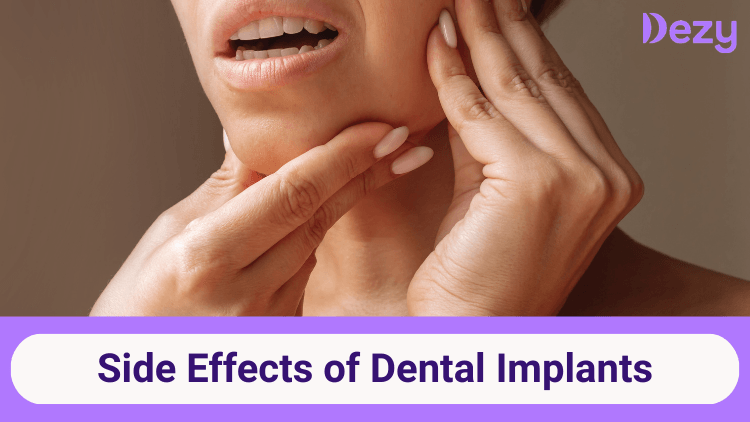
Dental implants have become one of the most trusted ways to replace missing teeth. They look natural, feel stable, and can last many years with proper care. Still, like any dental procedure, implants come with a few possible side effects. In this guide, you will understand what to expect after implant surgery and how to reduce the chances of complications.
What Are Dental Implants and How Do They Work?
Dental implants are small, screw-like posts placed into the jawbone to replace missing tooth roots. They are usually made from titanium and act as a strong base for artificial teeth such as crowns, bridges, or dentures. After placement, the implant slowly bonds with the jawbone through a process called osseointegration. Once healing is complete, a custom-made crown is attached on top, restoring the appearance and function of a natural tooth.
What Are the Side Effects of Dental Implants?
Side Effects of Dental implat are temporary pain, swelling, bruising, and minor bleeding. Long-term risks are rare but can include infection (peri-implantitis), nerve damage causing tingling or numbness, sinus issues, and potential implant failure. Most symptoms, such as gum stiffness, resolve with proper post-operative care.
Immediate Post-Surgery Side Effects
Here are the immediate post surgery effects one may notice:
1. Pain and Tenderness
Mild to moderate discomfort around the implant area is normal once the local anaesthesia wears off. Pain usually settles within a few days with prescribed medication.
2. Swelling of Gums or Face
The gums and cheeks around the surgical area may swell slightly. This is a natural response of the body and typically improves within two to three days.
3. Minor Bleeding
A small amount of bleeding from the gums may occur during the first 24 hours after the procedure. This usually stops quickly with gentle pressure.
4. Bruising
Some people notice light bruising on the jaw or cheeks. These marks may appear bluish or yellow and fade naturally as the area heals.
5. Difficulty Chewing or Jaw Stiffness
pening the mouth fully or chewing firm foods may feel uncomfortable during the early healing period. This usually improves as the tissues recover.
6. Sensitivity or Nerve Irritation
Temporary tingling or mild numbness in the lips, gums, or chin can occur if nearby nerves are irritated. In most cases, this gradually resolves on its own.
7. Risk of Infection
If bacteria enter the surgical site, redness, swelling, or persistent pain may develop. Early treatment usually resolves the issue quickly.
Long Term Side Effects of Dental Implants
The long term side effects of dental implants may include the following:
1. Gum Recession
Over time, the gums around an implant may slowly pull back. This can expose part of the implant and may affect comfort or appearance.
2. Peri-Implantitis
This is an infection that develops around the implant. If not treated early, it can damage surrounding gum tissue and lead to bone loss.
3. Bone Loss Around the Implant
Loss of supporting jawbone can weaken the implant structure and affect its long-term stability.
4. Implant Loosening or Failure
In rare situations, the implant may not bond properly with the bone or may become loose after several years.
5. Bite or Alignment Issues
Uneven pressure on the implant during chewing can cause discomfort or strain on surrounding teeth.
6. Chronic Discomfort or Sensitivity
Persistent pain or sensitivity may signal an underlying issue such as infection or excessive bite pressure.
7. Wear or Damage to the Crown
The artificial crown attached to the implant can wear down or crack over time and may need replacement.
Side Effects of Dental Implants with Titanium
Here are the side affects you might see if you get dental implants with titanium:
1. Allergic Reaction or Metal Sensitivity
True titanium allergy is extremely uncommon. However, a small number of sensitive individuals may develop local inflammation around the implant.
2. Titanium Ion Release
Very small titanium particles can be released from the implant surface over time. In rare cases, this may trigger inflammation in patients who are sensitive to metals.
3. Localised Tissue Irritation
Some patients may experience ongoing redness or irritation in nearby soft tissues even when infection is not present.
4. Electrochemical Reactions (Very Rare)
If other metals exist in the mouth from old fillings or crowns, minor galvanic reactions may cause slight discomfort in sensitive individuals.
5. Delayed Osseointegration
Occasionally, titanium implants may take longer to integrate with the jawbone, particularly in patients with slower healing or poor bone quality.
Who Is at Higher Risk of Dental Implant Side Effects?
Certain health conditions and habits can increase the chances of implant complications.
1. Smokers or Tobacco Users
Smoking reduces blood flow to the gums and slows healing, which can increase the risk of infection or implant failure.
2. People With Diabetes or Uncontrolled Medical Conditions
Conditions that affect healing or immunity can make recovery slower and raise the chances of complications.
3. Patients With Poor Oral Hygiene
Inadequate brushing and cleaning around the implant may allow bacteria to build up and cause infection.
4. People With Low Bone Density
A weak jawbone may not provide enough support for the implant, affecting stability over time.
5. Teeth Grinders (Bruxism)
Constant grinding or clenching places extra pressure on implants and surrounding teeth.
How to Reduce the Risk of Dental Implant Side Effects
To reduce the risk of dental implant side effects we recommend you follow these steps:
1. Follow Post-Surgery Instructions Carefully
Take prescribed medicines on time and follow all aftercare guidance provided by your dentist.
2. Maintain Good Oral Hygiene
Brush gently around the implant area and use dentist-recommended floss or mouthwash to prevent infection.
3. Avoid Smoking and Tobacco Products
Tobacco slows healing and increases the likelihood of implant complications.
4. Limit Alcohol Consumption
Alcohol may interfere with healing and raise the risk of swelling or infection.
5. Eat Soft, Nutritious Foods
Soft foods reduce pressure on the implant site and support smoother recovery during the first few weeks.
6. Attend Regular Dental Check-Ups
Routine follow-ups allow your dentist to monitor healing and detect early signs of gum or bite problems.
7. Report Unusual Symptoms Early
Persistent pain, swelling, numbness, or discharge should be checked promptly to prevent complications.
Closing Thoughts
Dental implants are a reliable solution for replacing missing teeth, and most patients recover without serious problems. Understanding the possible side effects helps you prepare for the healing process and take better care of your oral health. With proper planning, hygiene, and regular dental visits, implants can remain stable and functional for many years.
FAQs
What are the side effects of dental implant surgery?
Common side effects include temporary pain, swelling, bruising, and mild bleeding. These usually improve within a few days after the procedure.
How long do dental implant side effects last?
Most short-term effects settle within three to seven days. Complete healing of the implant site may take a few months.
Are dental implant side effects permanent?
Most side effects are temporary. Long-term complications are uncommon when the procedure is done correctly and proper care is maintained.
Are dental implants safe in the long term?
Yes, dental implants are considered safe and have a high success rate when placed by experienced dentists and supported with good oral hygiene.
What are the negative side effects of dental implants?
Rare complications may include infection, nerve irritation, gum recession, or implant failure if the implant does not integrate with the bone.
Can a dental implant cause problems years later?
In some cases, gum infection or bone loss around the implant may develop years later, especially if oral hygiene is poor.
What is the lifespan of dental implants?
With proper care and regular dental check-ups, dental implants can last 15 to 25 years or even longer.