Parts of a Dental Implant: Components, Functions & How They Work
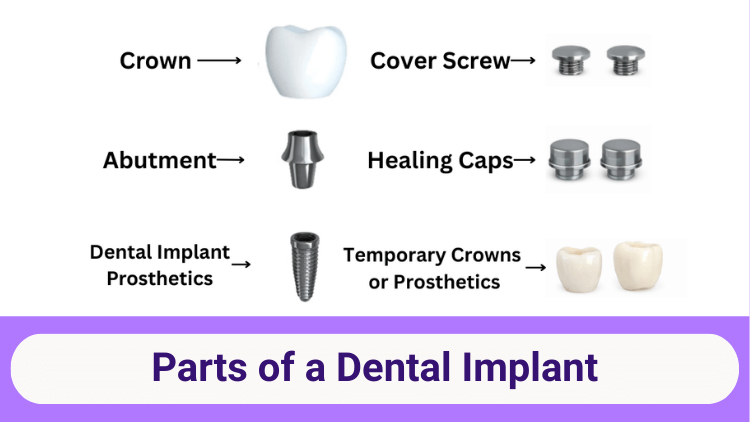
When people hear the word dental implant, they often imagine it as just an artificial tooth. In reality, it is a small system made of carefully designed parts that fit together to replace a missing tooth from the root to the top. Understanding these parts can help you feel more confident about the procedure and know what your dentist is talking about. In this guide, we will break down each part of a dental implant in simple terms so you can understand how it functions and what to expect during the treatment.
Parts of a Dental Implant
Dental implants consist of three primary, durable parts that replace a missing tooth: the implant fixture (a titanium or zirconia screw acting as the root), the abutment (a connector post), and the dental crown (the visible, functional prosthesis). These components work together to provide a stable, long-term foundation for replacing teeth.
In addition, there are several supporting components used during the treatment process to protect the implant, guide healing, and ensure proper placement of the final restoration.
Main Parts of a Dental Implant
The Main parts of Dental Implants are:
1. Implant Post (Implant Fixture)
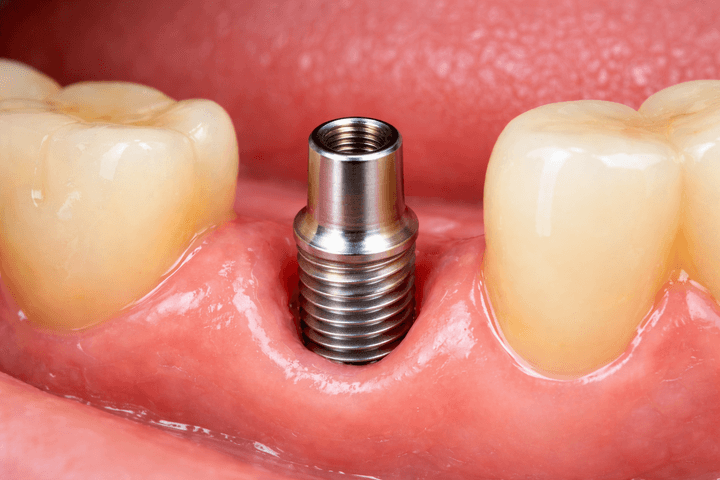
What it is:
The implant post is the part that is placed inside your jawbone. It looks like a small screw and acts as the root of your new tooth. This is the foundation of the entire dental implant.
Function:
Its main job is to hold the replacement tooth firmly in place. After it is inserted into the jawbone, the bone slowly grows around it in a process called osseointegration. This makes the implant stable and strong, just like a natural tooth root.
Common Materials:
Most implant posts are made from titanium because it is strong, lightweight, and safe for the human body. Some implants are also made from zirconia, which is metal-free and tooth-colored.
Why it’s important:
Without a strong implant post, the entire dental implant will not stay secure. It provides long-term stability and allows you to chew, speak, and smile confidently. A properly placed implant post can last many years with good oral care.
2. Abutment
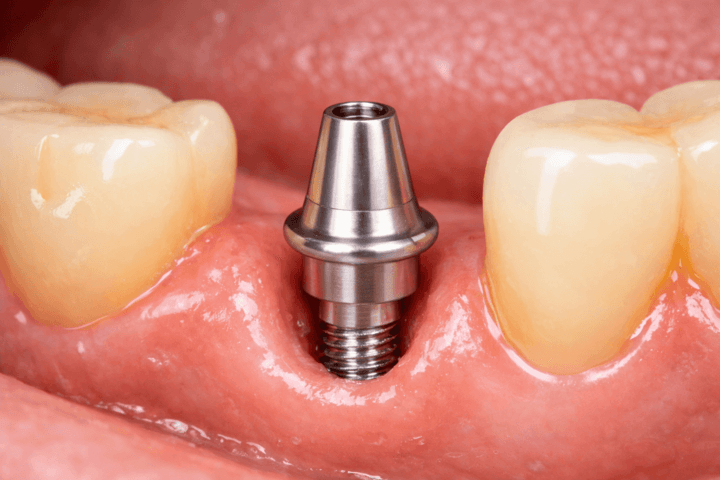
What it is:
The abutment is the small connector piece that attaches to the implant post. It sits above the gum line and connects the implant post to the final crown.
Types of abutments:
There are prefabricated abutments that come in standard sizes and shapes. There are also custom abutments that are specially designed to match your tooth shape and gum structure for a more natural look.
Function:
The abutment holds the artificial tooth securely in place. It acts as the support system between the implant post and the visible part of the tooth.
Common Materials:
Abutments are usually made from titanium, zirconia, or sometimes a combination of metal and ceramic. Zirconia is often chosen for front teeth because it blends better with natural teeth.
Why it’s important:
The abutment ensures that your replacement tooth fits properly and looks natural. It also helps distribute pressure evenly when you bite or chew, which protects the implant and surrounding bone.
3. Dental Implant Prosthetics
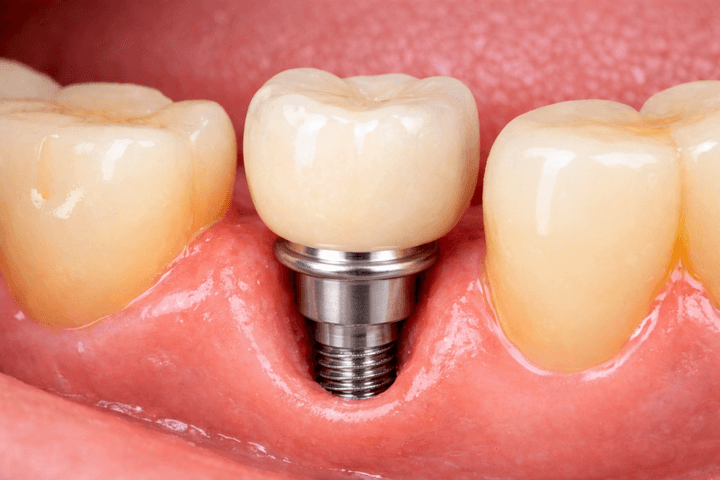
What it is:
Dental implant prosthetics refer to the visible part of the implant, such as the crown, bridge, or denture. This is the part that looks like a natural tooth and is seen when you smile.
Function:
Its main function is to restore appearance and chewing ability. It allows you to eat comfortably, speak clearly, and maintain your facial structure.
Common Materials:
Implant crowns are commonly made from porcelain, ceramic, zirconia, or porcelain fused to metal. These materials are chosen because they are durable and closely match the color of natural teeth.
Why it’s important:
This is the part that completes your smile. A well-designed prosthetic not only improves how your teeth look but also restores proper bite alignment. When made correctly, it feels natural and functions like your original tooth.
Additional Components of a Dental Implant
1. Cover Screws
What it is:
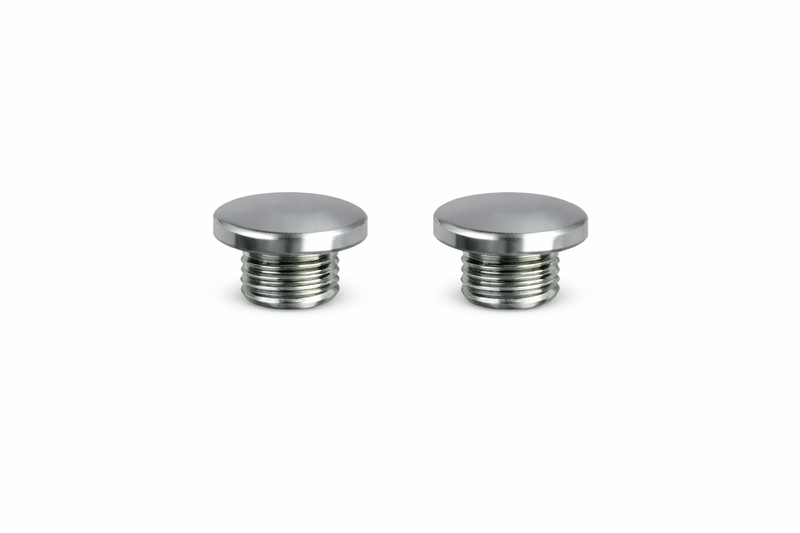
A cover screw is a small screw placed on top of the implant post right after it is inserted into the jawbone. It stays completely under the gum during the initial healing period.
Purpose:
Its main purpose is to protect the implant while the bone heals around it. It seals the internal part of the implant so that bacteria and debris do not enter. This helps the implant integrate properly with the jawbone before the next stage of treatment begins.
2. Healing Abutments (Healing Caps)
What it is:
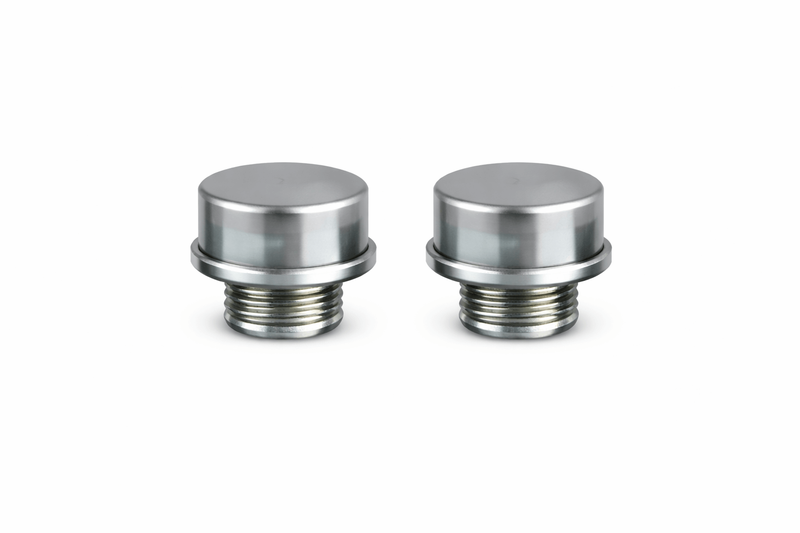
A healing abutment, also called a healing cap, is placed on the implant after the initial healing phase. Unlike the cover screw, it sits slightly above the gum line.
Purpose:
Its job is to help shape the gum tissue around the implant. This creates a natural contour for the final crown. It also keeps the implant accessible for the dentist when it is time to attach the permanent abutment and crown. Proper gum healing at this stage improves both appearance and long-term stability.
3. Temporary Crowns or Prosthetics
What it is:
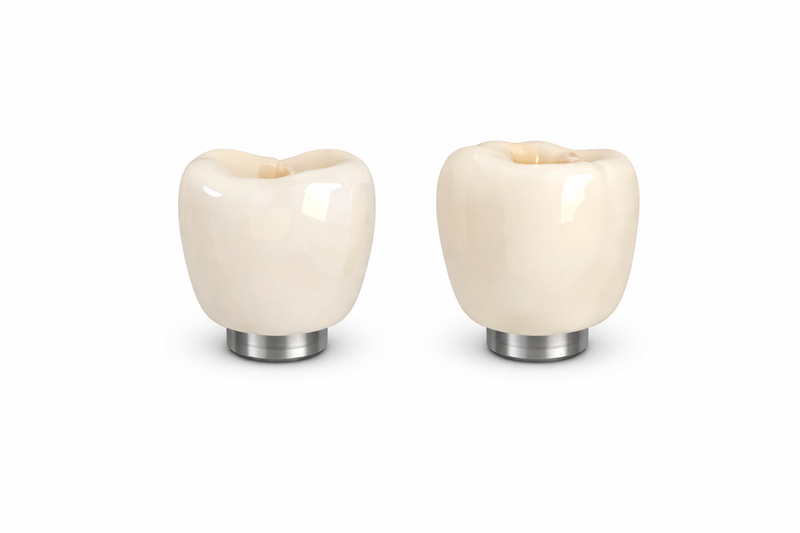
A temporary crown or prosthetic is a short-term replacement tooth placed while the implant is healing or while the permanent crown is being prepared.
Purpose:
It helps maintain your smile and basic chewing function during the waiting period. It also protects the implant area and supports gum shaping. While it is not as strong as the final crown, it allows you to continue your daily routine without major discomfort or appearance concerns.
How the Dental Implant Parts Work Together?
A dental implant is not just one piece. It is made up of three parts that work together to replace a missing tooth in a secure and natural way.
The implant post is placed inside your jawbone. This acts like the root of your natural tooth and gives strong support to the entire structure. Once the post is stable, the abutment is attached on top of it. The abutment acts as a connector between the post and the crown. Finally, the implant crown is fixed onto the abutment. This is the visible part that looks and feels like your natural tooth.
When all three parts are properly placed, they function as a single unit. You can chew, speak, and smile comfortably without worrying about movement or instability
How Implants Are Retained in the Mouth?
Dental implants stay firmly in place because of two main reasons.
1. Osseointegration
Osseointegration is the natural process where the implant post fuses with your jawbone. After the implant is placed, the surrounding bone cells slowly grow around it and attach firmly. This creates a strong bond between the implant and the bone. The process usually takes a few months, but it is what makes implants long-lasting and stable. This is the main reason implants feel similar to natural teeth.
2. Abutment Screw
The abutment screw is a small but important component. It connects the abutment to the implant post securely. This screw ensures that the crown placed on top does not shift or loosen. It adds extra stability to the overall structure and keeps the implant firmly in position.
Benefits of Understanding Dental Implant Parts
Understanding how dental implant parts function helps you feel more confident and informed about your treatment. Here are the benefits:
You understand how each part supports your new tooth
It reduces fear and confusion about the procedure
You can ask better questions during consultation
You know why the healing period is important
It helps you take better care of your implant
You understand what to expect in case of maintenance or repairs
It builds trust in the durability and safety of the treatment
Closing Thoughts
When you understand the parts of a dental implant, the whole treatment starts to feel less confusing and more manageable. Each small component has a clear purpose, and together they rebuild your tooth in a stable and natural way. If you are considering an implant, knowing how it works can help you walk into your appointment with more confidence. A little knowledge goes a long way in helping you feel prepared and comfortable about your decision.
Frequently Asked Questions
1. Is the implant post permanent?
Yes, the implant post is designed to be a long-term replacement for the tooth root. With proper care and regular dental check-ups, it can last many years, often a lifetime.
2. What material is best for dental implant posts?
Titanium is the most widely used material because it is strong and bonds well with bone. Zirconia is a metal-free option that may be suitable for certain patients.
3. Can the abutment be replaced if needed?
Yes, the abutment can be replaced or adjusted if there are changes in your bite, gums, or crown design.
4. How long does it take for the implant parts to heal?
Healing usually takes about 3 to 6 months. This allows the implant post to fuse properly with the jawbone.
5. Does the dental crown ever need replacement?
Yes, while the implant post can last for decades, the crown may need replacement after 10 to 15 years due to normal wear.
6. Are all dental implants made of the same parts?
Most implants have the same basic parts, but the design and materials can vary depending on the brand and treatment plan.
7. Is the implant crown attached permanently?
The crown can be cemented or secured with a screw. Both methods are stable, but screw-retained crowns are easier to remove if adjustments are needed