Contents
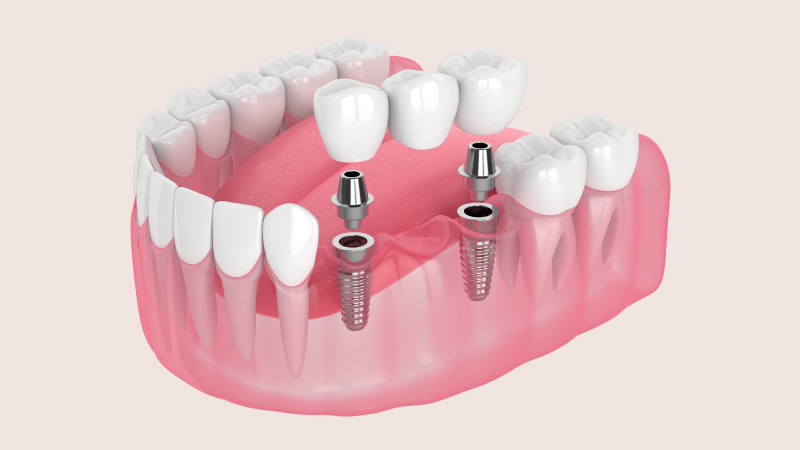
Dental implant surgery is the most sought-after treatment to replace missing teeth or even a single tooth.
This is because the surgery is very effective, and new implants come as close to your actual teeth.
With dental implants in place, you can smile, bite and chew like you usually would. While the dental implant procedure may appear daunting, a little rest and post-op care can get you in the pink of dental health in no time.
Dental implants don't decay like your natural teeth would as they are resistant to disease; however, they can cause an infection if not taken care of.
After surgery, maintenance and recovery are as vital as the primary dental surgery itself. With a few DOs and DON'Ts in place, you will be good to go in no time.

Do's after Dental implant Surgery:
1. Follow your dental surgeon's instructions
After the dental implant surgery, the dentist will give you a set of instructions to help you heal faster.
This will include basic things like not brushing your teeth for some time, not eating for two hours, recommending a specific oral hygiene regime, etc.
2. Rinse your mouth with warm salty water
Post the dental implant surgery, there is a possibility of a small amount of bleeding.
Get into the habit of rinsing your mouth twice or thrice daily with warm salty water, especially after meals. Oral hygiene is imperative for the success of your surgery.
3. Eat soft foods high in Vitamins
While recovering from your dental implant surgery, you must eat soft foods high in Vitamins.
Try out vegetable soups, mashed vegetables, yogurt, and smoothies high in vitamins A and C to accelerate the recovery.
4. Rest for a few days
Oral surgery may not be as extensive as a significant organ surgery, but it is surgery nonetheless. Surgeries traumatize your body, and you need to recuperate from it.
Take help from a family member or friend who can assist with food, take care of kids or pets, and run basic errands for you. It would be best if you rested up for a few days post-surgery.
Don'ts after Dental Implant Surgery
1. Don't exert yourself / Don't do any strenuous exercises
After dental implant surgery, you will have to take a short break from your exercise routine.
At least for the first couple of days, avoid lifting weights, intense running, or other strenuous activities and allow your body to heal. This will prevent further swelling and bleeding.
2. Don't consume hot beverages and food
Your entire oral cavity will be numb from the painkillers and anaesthetics, and you are more prone to mouth burns because of the lack of feeling.
Avoid consuming hot food and beverages immediately after your dental implant surgery.
3. Avoid crunchy, sticky, and hard foods
Avoid eating sweet, hard, crunchy, or sticky foods for at least six to 12 weeks, as these may harm your gums, leading to unnecessary bleeding.
4. Don't smoke or consume alcohol
Post your dental implant surgery; smoking tends to disrupt the normal healing process putting you at risk of infections or implant failure.
Alcohol will interfere with the pain relief medication and antibiotics prescribed, further hampering recovery.