Dental Implant Materials: Types, Benefits & How to Choose
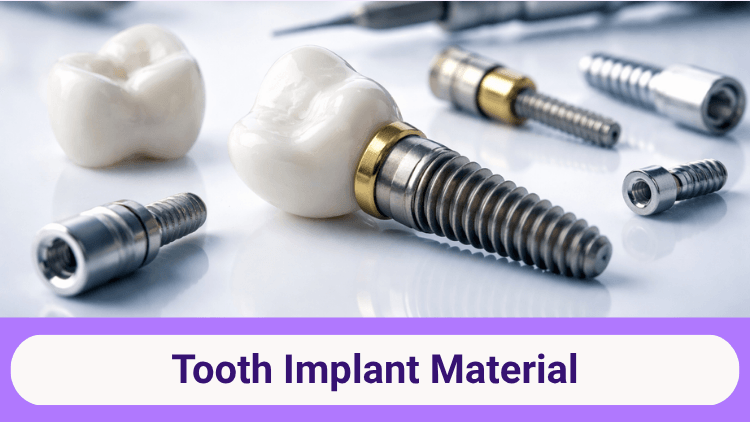
When people think about dental implants, the focus usually stays on the procedure itself. But one of the most important parts of an implant is the material used to make it. The strength, safety, and appearance of the implant all depend on this choice. In this article, you will learn about the materials dentists use today and how they influence the long term success of dental implants.
Why Materials Matter in Dental Implants
The choice of materials is not only about engineering. It also affects how the body responds to the implant. One of the most important factors is biocompatibility, which simply means the body accepts the material without causing irritation or rejection. If a material does not work well with the body, the surrounding bone and gums may not heal properly. This can lead to discomfort or implant failure over time.
Another important factor is strength. Dental implants must handle everyday chewing pressure. That means the material should resist wear, corrosion, and long-term stress. This is why dentists often rely on strong metals or advanced ceramics that have been tested in medical use for many years.
Finally, appearance also matters, especially when implants are placed in visible areas. The crown attached to the implant should look like a natural tooth. It should match the color, shape, and shine of nearby teeth. Balancing safety, durability, and appearance is what makes material selection such an important step in implant treatment.
Common Dental Implant Materials Used in India
Here’s a closer look at some of the most common dental implant materials used in India:
1. Titanium Dental Implants
Titanium has been used in dental implants for decades and remains the most widely used implant material around the world.
Why Titanium: Titanium bonds well with human bone through a process called osseointegration. This allows the implant to become firmly anchored inside the jaw. It is strong, lightweight, and highly resistant to corrosion, making it suitable for long-term use.
Limitations: Titanium implants are metallic in color. In rare cases where gums are thin, the metal shade may slightly show through.
Best for: Patients looking for a reliable, long-term implant option with a strong clinical track record.
2. Zirconia Dental Implants
Zirconia implants are a newer alternative and are gaining attention for their natural appearance.
Why Zirconia: Zirconia is a ceramic material that is strong, tooth coloured, and metal free. Because it resembles the colour of natural teeth, it can provide better aesthetics, especially in the front part of the mouth.
Limitations: Zirconia implants are generally more expensive and have a shorter history of clinical research compared to titanium. They may also have slightly less flexibility under pressure.
Best for: Patients who prefer a metal free implant option or want a highly aesthetic solution for visible teeth.
Other Materials Used in Dental Implants
Dental implants are not just about the implant post placed in the jaw. The crown and connecting components also use different materials to achieve strength and a natural look.
1. Crown Materials Used on Implants
The crown is the visible tooth placed on top of the implant. Its material determines how natural the final result looks.
2. Abutment Materials
The abutment is the connector that joins the implant post to the crown. It plays an important role in stability and alignment.
Common materials include:
How to Choose the Right Implant Material
Selecting the right implant material depends on several factors, and the decision is usually made after a detailed dental examination.
Biocompatibility - The material must integrate well with the jawbone and surrounding tissues.
Strength and Durability - The implant should withstand chewing forces for many years.
Aesthetics - For visible teeth, the colour and appearance of the crown and abutment become important.
Cost - Different materials come with different price ranges, which may influence the final treatment plan.
Implant Location - Front teeth may require more aesthetic materials, while back teeth prioritise strength.
Bone Density - The condition of the jawbone also affects which implant system works best.
Closing Thoughts
Dental implants are designed to restore both function and appearance. The materials used in modern implants make this possible by combining strength, safety, and natural looking results.
Titanium remains the most widely trusted option, while zirconia offers a metal free alternative for patients who prefer it. With the right evaluation and material choice, dental implants can provide a long lasting solution that feels very close to natural teeth.
Frequently Asked Questions (FAQs)
1. Which dental implant material is best in India?
Titanium is considered the most reliable implant material because of its strength, affordability, and long history of successful use.
2. Are zirconia dental implants better than titanium?
Zirconia implants offer better aesthetics and are metal free, while titanium implants have a longer clinical track record and greater flexibility.
3. Can the body reject dental implant materials?
Rejection is extremely rare. Titanium and zirconia are both biocompatible and generally well accepted by the body.
4. How long do dental implant materials last?
With proper care and regular dental visits, implants can last 20 years or longer.
5. Are dental implants safe for diabetic patients?
Yes. Patients with controlled diabetes can receive implants after proper medical evaluation.
6. Is a zirconia crown better than a metal crown?
Zirconia crowns offer better aesthetics and durability, while metal based crowns are usually more affordable.
7. Do implant materials affect chewing ability?
No. High quality implant materials restore chewing strength very close to natural teeth.
8. Are dental implant materials MRI safe?
Yes. Modern titanium and zirconia implants are compatible with MRI scans.
9. Can implant materials cause allergies?
Allergic reactions are extremely rare. Zirconia can be used as an alternative for patients concerned about metal sensitivity.
10. How do I maintain dental implants?
Brush twice daily, floss regularly, avoid tobacco, and visit your dentist every six months for routine checkups.