Dental Implant Bridge: Procedure, Benefits & Types Explained
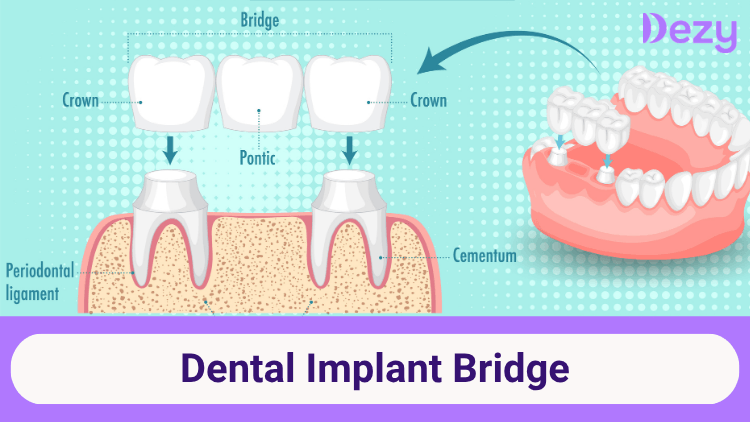
Missing several teeth in a row can make everyday things harder than people expect. Eating becomes uncomfortable, speaking may feel awkward, and many patients begin to hide their smile. In this blog, we are going to explain what a dental implant bridge is, who usually needs it, how the procedure works, and why dentists often recommend it as a long-term tooth replacement option.
What Is a Dental Implant Bridge?
A dental implant bridge is a fixed tooth replacement used when a person is missing several teeth in a row. Instead of placing an implant for every missing tooth, dentists place a few titanium implants into the jawbone and attach a bridge of artificial teeth to them. These implants act like strong roots that hold the bridge firmly in place. The result looks natural, restores chewing ability, and fills the gap without relying on neighbouring teeth for support.
Who Needs a Dental Implant Bridge?
A dental implant bridge is usually recommended for individuals who have lost two or more teeth in a row and want a stable and natural-looking replacement.
This treatment works well for people who want a fixed solution instead of removable dentures. It also helps preserve the jawbone, which often begins to shrink after tooth loss.
Dentists typically suggest implant bridges for patients who have sufficient jawbone density to support implants. In cases where bone is limited, procedures such as bone grafting may be used to strengthen the area before implants are placed.
Types of Dental Implant Bridges
Dentists may recommend different types of implant bridges depending on the number of missing teeth and the patient’s jaw condition.
1. Implant-Supported Bridge
This is the most common type. Two or more implants support a bridge that replaces multiple teeth in between.
2. Hybrid Implant Bridge (Fixed Denture)
This option replaces a full arch of teeth and is permanently attached to implants. It provides the stability of implants while replacing many teeth at once.
3. All-on-4 or All-on-6 Bridge
These systems use four or six implants to support an entire arch of teeth. They are often recommended for patients who have lost most or all of their teeth.
4. Cantilever Implant Bridge
In this design, implants support the bridge from one side when placing implants on both sides of the gap is not possible.
Dental Implant Bridge Procedure: Step-by-Step
Here is how the dental implant bridge procedure usually happens.
Step 1: Consultation and Planning
The dentist begins with a detailed examination. X-rays or 3D scans are used to check bone structure and plan the exact position of the implants. A personalised treatment plan is created during this stage.
Step 2: Implant Placement Surgery
Titanium implants are surgically placed into the jawbone. This procedure is performed under local anaesthesia. Most patients experience only mild discomfort afterward.
Step 3: Healing and Osseointegration
Over the next few months, the implants fuse with the jawbone. This process is called osseointegration. It creates a stable foundation for the future bridge.
Step 4: Abutment Placement and Impression
Once healing is complete, small connectors called abutments are attached to the implants. Impressions are then taken to design a custom bridge that fits comfortably and looks natural.
Step 5: Final Bridge Installation
The final dental bridge is secured onto the implants. After adjustments, the restoration functions like natural teeth and completes the treatment.
Benefits of Dental Implant Bridges
Dental implant bridges come with several benefits such as:
1. Natural Look and Feel
Implant bridges are designed to match the colour and shape of natural teeth, making them blend seamlessly into your smile.
2. Enhanced Stability and Functionality
Because they are anchored to implants, these bridges remain firmly in place. This allows patients to chew comfortably without movement.
3. Preservation of Bone Health
Dental implants stimulate the jawbone, helping prevent bone loss that usually occurs after tooth loss.
4. Protection of Adjacent Teeth
Unlike traditional bridges, implant bridges do not require grinding down nearby healthy teeth.
5. Long-Term Durability
With proper care and regular dental check-ups, implant bridges can last for many years.
6. Improved Oral Health
The bridge restores chewing ability and helps maintain proper bite alignment.
7. Long-Term Cost Efficiency
Although the initial cost may be higher, implant bridges often last longer than other solutions, reducing the need for frequent replacements.
Dental Implant Bridge vs Traditional Bridge
Closing Thoughts
Losing several teeth in a row can affect both confidence and daily comfort. A dental implant bridge offers a strong and natural-looking solution that restores both function and appearance.
If you are exploring long-term tooth replacement options, speaking with a qualified dentist at Dezy is the best place to start. A professional evaluation can help determine whether a dental implant bridge is the right treatment for your needs.
Frequently Asked Questions (FAQs)
1. How long does a dental implant bridge last?
With proper oral hygiene and regular dental visits, implant bridges can last 15 to 25 years or even longer.
2. Is the dental implant bridge procedure painful?
The surgery is performed under local anaesthesia, so patients do not feel pain during the procedure. Some mild discomfort after surgery is normal and usually manageable with medication.
3. How many implants are needed for a bridge?
In many cases, two dental implants can support a bridge that replaces three to four missing teeth.
4. Can anyone get an implant bridge?
Most healthy adults are suitable candidates. However, individuals with uncontrolled diabetes, heavy smoking habits, or certain medical conditions may need additional evaluation.
5. How long does the entire process take?
The full treatment usually takes between three and six months, depending on healing time and bone condition.
6. What is better: an implant bridge or a partial denture?
Implant bridges are fixed, more stable, and often feel closer to natural teeth compared to removable partial dentures.
7. Does insurance cover dental implant bridges?
Some dental insurance plans may cover a portion of the treatment cost. Coverage varies depending on the provider and policy.
8. What materials are used in implant bridges?
Common materials include zirconia, porcelain-fused-to-metal (PFM), and all-ceramic restorations designed to provide strength and a natural appearance.