Type of Crown | Metal Crown | PFM | Zirconia Crown |
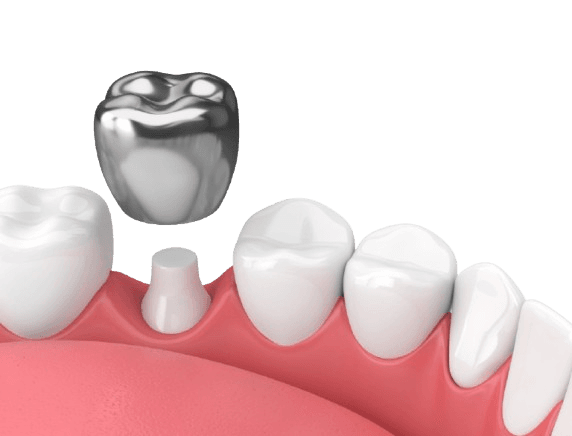 | 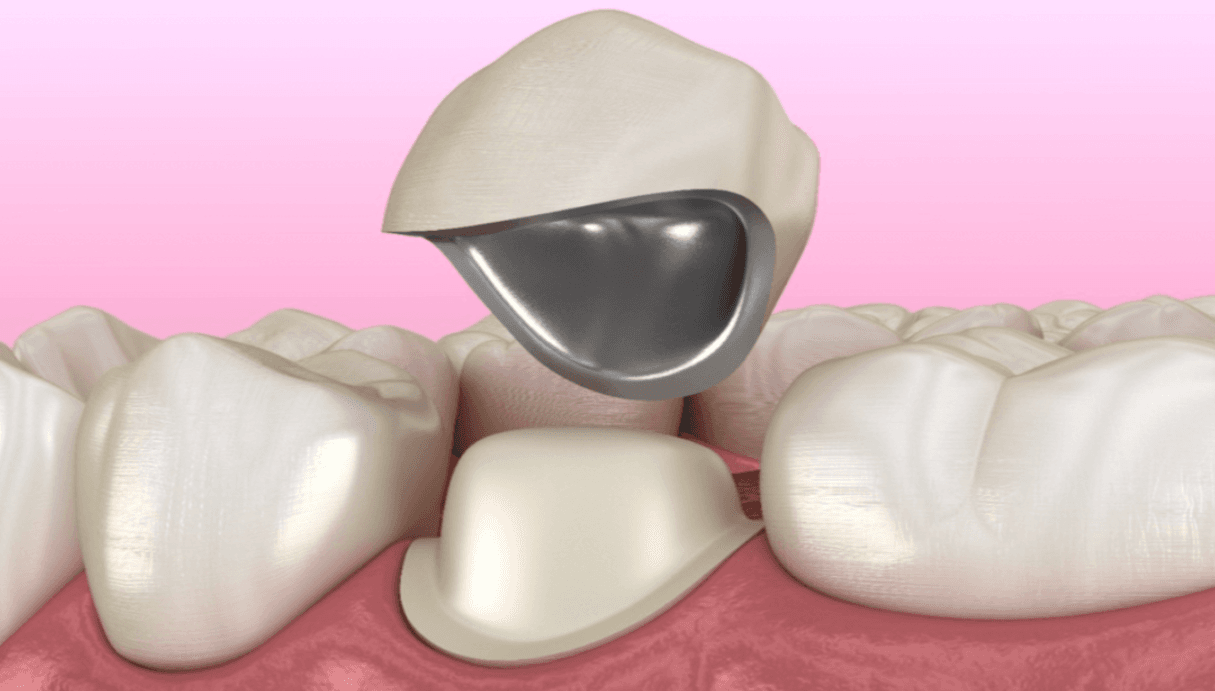 | 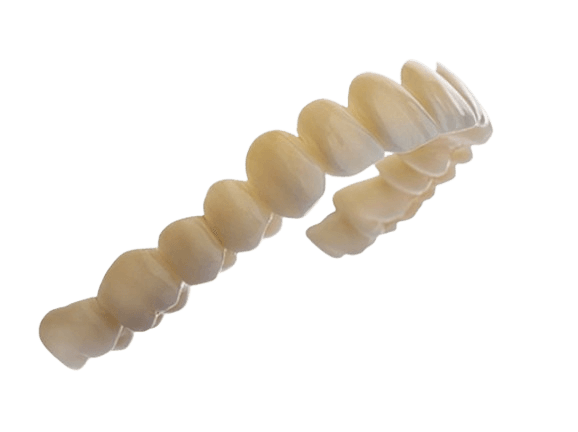 | |
Market Price | ₹5,000 – ₹10,000 | ₹10,000 – ₹15,000 | ₹15,000– ₹25,000 |
Dezy Price | ₹3,000 | ₹4,500 | ₹7,999 |
Dezy's Speciality | Life-time warranty | ||
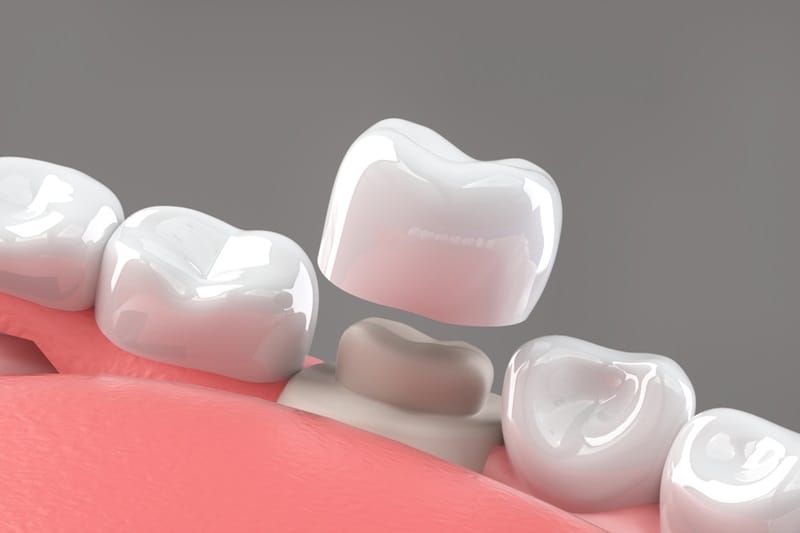
A dental crown is a typical dental treatment option for correcting specific tooth issues or improving the appearance of malformed or discoloured teeth. A dental crown shields the tooth from additional harm while enabling comfortable chewing.
This introduction post was created to give you a better understanding of this somewhat typical dental procedure.
What is Dental Crown?
A dental crown or tooth cap is a fixed, natural-like, tooth-shaped covering-cap that completely encases over the top of a damaged tooth, such as a broken tooth, chipped tooth, worn tooth, broken tooth, short tooth, discoloured tooth, a tooth that has undergone a root canal treatment (particularly the posterior), misshaped tooth, or unsightly tooth, to regain the properties of a natural tooth that are straight, durable, and aesthetic in shape, size, and colour as an idealistic tooth and smile.
Types of Dental Crowns and Materials Used
1. Ceramic and Porcelain Crowns
Crowns made of porcelain or ceramic are excellent for your front teeth. When fitted over the entire tooth, they look perfectly natural since they closely resemble the size, shape, and colour of the teeth around them.
There are two types of them:
- Completely ceramic crowns
- Pressed ceramic crowns for teeth
Because a ceramic dental crown has no metal on the sides to collect debris, it is also incredibly easy to clean. They are perfect for those with metal allergies because they are non-toxic and contain no metal. Because porcelain crowns are more resistant to cracking than any other type of crown, they are long-term, reasonably priced solutions.
2. Complete Metal Crowns
The best material for long-term tooth protection is a metal crown. The most resilient crown types against biting and chewing pressures are metal crowns, which also seldom chip and are simple to remove.
During the 1980s and 1990s, gold crowns in particular became more and more popular. These crowns are actually made of a gold alloy mixed with other metals, despite being called "gold crowns."
A silver or gold crown is ideal for adults since it is mild on neighbouring teeth and retains more of the tooth's natural structure. They are a great long-term choice because they have the benefit of gradually deteriorating over the natural tooth. They are perfect for repairing molars that are out of sight, but they are not currently fashionable options for front teeth.
A full metal stainless steel crown is probably what a paediatric dentist will suggest for kids. Because stainless steel crowns are prefabricated, youngsters don't need to be put under general anaesthesia as often.
3. Porcelain-Fused-to-Metal Crowns
Porcelain-fused-to-metal, or PFM, dental crowns, are the closest substitute for gold crowns and give patients the best of both worlds: a long-lasting and robust cosmetic option. Glass ionomer cements, which are more stable and less intrusive than other cementing materials, can also be employed in PFM crowns, more especially porcelain-fused-to-gold crowns.
Additionally, because a protective layer of metal alloy base is bonded directly to your tooth, if the porcelain ever fractures, it won't harm the structure of your tooth.
4. Crowns made of zirconia and porcelain fused to zirconia
Dental restorations are among the many ceramic products made from zirconia. The metal zirconium is used to make this white crystalline oxide.
Zirconia's characteristics, which balance hardness and elasticity, make it a great material for dental crowns. Compared to PFM crowns, zirconia crowns are less likely to break and have a beautiful appearance.
Installing these crowns requires fewer dentist appointments and less time. Without shipping the zirconia crown to a dental lab, your dentist can form, cut, and have it firmly cemented.
In addition, zirconia crowns are less expensive than metal crowns. They are incredibly exact because dentists create them from computer scans.
5. Composite crowns for teeth
Dental composite is a resin substance that is used to cover teeth with crowns or to fill up spaces between teeth. Because of its flexibility and decay resistance, it provides characteristics that are comparable to those of genuine teeth despite being synthetic.
Despite being the least expensive choice, this one might not be the strongest or most durable. In order to replace dental composite crowns, you might need to see your dentist on a frequent basis. For patients who require restorations for their front and back teeth but are unable to accept porcelain and metal crowns, they are a great alternative.
6. Crowns Made of Lithium Disilicate
Lithium disilicate, an all-ceramic crown, is the newest advancement in dental crown technology. Dentists can simply customize this type of crown to match each patient's natural tooth because it is lightweight and thin.
In addition to being extremely resistant, lithium disilicate crowns look fantastic. They cost more than ordinary dental crowns, though. Furthermore, while employing disilicate crowns for multiple back tooth restorations, some dentists have observed serious failures.
Dental Crown Costs in India
In India, the cost of a dental crown ranges from INR 5,000 to INR 30,000, depending on the kind and other considerations. Here's the broad breakdown:
Porcelain crowns are often more costly, costing anything from INR 10,000 to INR 30,000.
Metal crowns are more cheap, costing between INR 5,000 and INR 15,000.
Zirconia crowns are priced in the mid-range, often between INR 15,000 and INR 25,000.
Composite resin crowns are the most affordable choice, with costs ranging between INR 5,000 and INR 10,000.
It is important to keep in mind that these prices are estimates that may vary depending on the specific dental clinic and region of India. After consulting with a dentist and obtaining a customized treatment plan, you may make a more accurate price estimate.
What takes place when a dental crown is placed?
One or two trips to the dentist or prosthodontist are probably required for your dental crown process.
Your dentist or prosthodontist will shape and remove a layer of your tooth's outer surface during your initial appointment. To ensure that you are pain-free, they will administer a local anaesthetic.
They will next make a replica of the tooth's form. A digital scanner or an impression pressed into a mould can be used for this.
A technician may use the information to create a crown that fits your tooth in a lab. Additionally, the lab can match the crown's colour to that of your other teeth.
A CEREC machine can create and install a crown in a single day.
Your dentist or prosthodontist will cover your damaged tooth with a temporary crown if the crown is being created in a lab. Making your crown could take two to three weeks.
Your second appointment will be when your permanent crown is prepared. Using dental cement or glue, your dentist or prosthodontist will install the crown.
When a filling is not an option, dental crowns are used to cover a fractured or diseased tooth.
Advantages of Dental Crowns
There are several reasons why dental crowns may be the best option:
- Crowns aid in halting further harm. Crowns can help stop more damage to your teeth since they cover the full visible surface of the tooth.
- Weak or fractured teeth, particularly those that are susceptible to chipping or breaking, might be covered or strengthened with dental crowns.
- Crowns aid in cavity prevention. Most cavities are found on a tooth's chewing surface. Crowns shield the chewing surfaces from degradation because they cover them.
- Crowns can make a person look better. A crown could be helpful if you're sick of hiding your smile because you feel self-conscious about the way one or more of your teeth look.
- Unlike traditional fillings, which usually wear out in a few years, dental crowns can last as long as your original teeth. Your crown should survive for decades if you practice good oral hygiene.
Disadvantages of Dental Crowns
- Dental crowns have many benefits, but there are drawbacks as well.
- Placement over areas of untreated dental decay is one potential consequence.
- Discomfort brought on by a bad fit.
- Higher chance of infection.
- Heightened awareness of hot and cold foods and drinks.
- Crown detachment or loosening.
Why Would You Require a Dental Crown?
It's important to comprehend why a dental crown might be required before looking into other options. Dental crowns are frequently advised for a number of reasons, such as:
Tooth Decay: A crown can help a tooth regain its strength and structure when a large area of it has decay.
Broken or Fractured Tooth: A crown offers protection and support when a tooth breaks or fractures.
Root Canal Treatment: To protect the repaired tooth, a crown is frequently inserted following a root canal operation.
Cosmetic Enhancement: Crowns can be applied to teeth that are discoloured or deformed for aesthetic reasons.
FAQs
What is the cost of a tooth cap?
The cost varies depending on the material and location.
Porcelain fused to metal: Typically costs between ₹5,000 and ₹15,000 per crown
Zirconia crown: Costs between ₹10,000 and ₹25,000 per crown
Ceramic crown: It ranges from ₹8,000 and ₹20,000 per crown
Metal crown: Costs between ₹4,000 and ₹10,000 per crown
Composite resin crown: It costs between ₹5,000 and ₹10,000 per crown
What is the purpose of a cap on a tooth?
A tooth cap protects damaged teeth, restores their shape, and improves appearance.
Is a crown a fake tooth?
No, a crown is a cap placed over an existing tooth for protection or restoration.
Material and Durability
Which tooth cap is best for teeth?
Porcelain crowns are highly aesthetic, while metal or zirconia crowns offer superior strength.
How long do dental crowns last?
With proper care, dental crowns can last 10–15 years or more.
What is the life of a tooth cap?
Tooth caps typically last 5–15 years, depending on material and oral hygiene.
Pain and Procedure
How painful is a cap tooth?
The procedure is usually pain-free, as dentists use anesthesia during the process.
Can I cap my front teeth?
Yes, tooth caps can be applied to front teeth for protection or cosmetic reasons.
How long after a tooth cap can you eat?
You can eat after 30 minutes if the crown is temporary and a few hours for permanent crowns.
Maintenance and Troubleshooting
Can a tooth cap be removed?
Yes, dentists can remove or replace a crown if necessary.
Can tooth caps get cavities?
While the cap itself can't get cavities, decay can form on the tooth underneath.
When a tooth cap falls off, what should I do?
Contact your dentist immediately for a replacement or re-cementing.
Comparisons and Alternatives
Which is better, teeth filling or capping?
Fillings are for minor damage, while caps provide better protection for severely damaged teeth.
What is the difference between a cap and a crown?
There’s no difference; both refer to the same dental restoration.