Braces With Dental Implants: Can You Get Braces Before or After Implants?
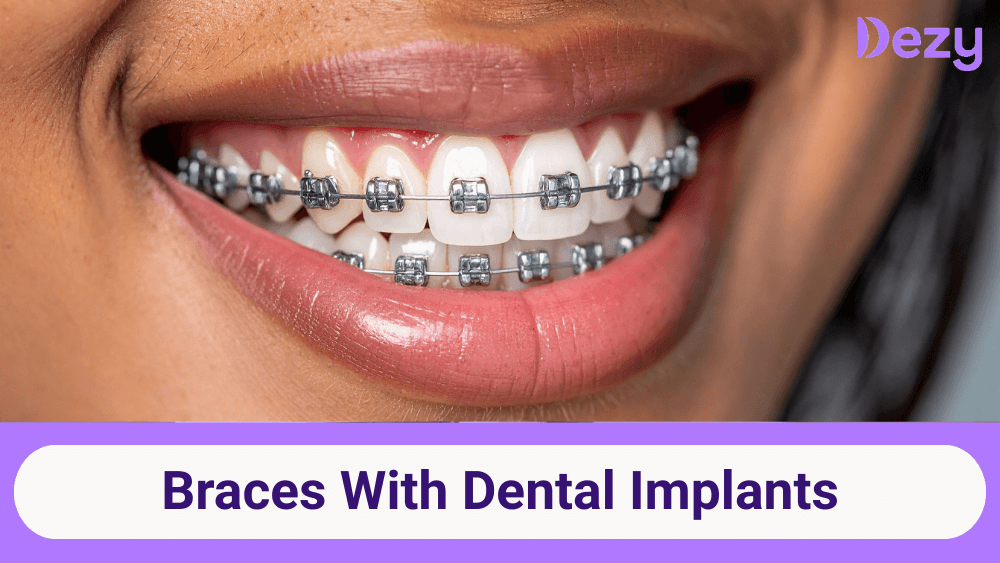
More and more adults today are seeking both orthodontic treatment and dental implants to improve their smile and overall oral health. Whether it's to fix alignment issues or replace missing teeth, the combination of braces and implants is becoming increasingly common. But with this growing demand comes a lot of confusion. Many patients wonder if it's possible to get braces after having implants, or if implants should come first. In this blog, we’ll take a closer look at how the two treatments work together and help you understand the right order based on your dental needs.
What Are Braces With Dental Implants?
Braces with dental implants refer to orthodontic treatment that involves straightening natural teeth in a mouth where one or more dental implants are already present. Since implants are permanently fixed to the jawbone and cannot move, orthodontists work around them by shifting the surrounding natural teeth. In many cases, the implant serves as a stable anchor point during treatment. If the implant is already crowned, the crown may need adjustment after the braces are removed to ensure it fits the new alignment. This combined approach is often used when patients need both tooth replacement and teeth straightening in the same treatment plan.
Can You Get Braces With Dental Implants?
Yes, you can get braces even if you have dental implants. However, implants are fixed in the jaw and cannot be moved like natural teeth. Ideally, braces are done first to create proper spacing, and then implants are placed. But if you already have an implant, braces can still be used to shift the surrounding natural teeth while the implant stays in place and may act as an anchor.
Which Treatment Should Come First: Braces or Dental Implants?
When deciding between braces and dental implants, it's usually better to get braces first. Braces move your natural teeth into their correct positions, and once that’s done, your dentist can place implants in the right spots to match the alignment. Implants don’t move like real teeth, so placing them before orthodontic treatment can limit how well the braces work or even cause alignment problems later. Always talk to both your orthodontist and implant specialist before starting, so they can plan your treatment timeline together.
Braces After Dental Implant vs Dental Implant During Braces
Getting braces after a dental implant is possible but restricts movement of the implanted tooth, while getting an implant during or after braces allows for optimal, planned positioning. Generally, getting braces first is preferred to align surrounding teeth, as implants are fixed and cannot be moved.
Common Scenarios Where Braces with Implants Are Recommended
There are several situations where dentists suggest combining braces and dental implants. This is often done to improve both appearance and function.
1. Missing Teeth Along with Crooked or Misaligned Natural Teeth
When a person has one or more missing teeth and the remaining ones are not aligned properly, braces are used to straighten the natural teeth before placing implants in the gaps.
2. Gaps from Tooth Loss That Need Orthodontic Space Correction
If teeth have been missing for a while, nearby teeth might have shifted into the empty space. Braces help in creating the right amount of space before a dental implant is placed.
3. Bite Problems with Missing Teeth
Some patients have bite issues like overbite, underbite, or crossbite along with missing teeth. Braces help fix the alignment and positioning before implants are added for better chewing and jaw balance.
4. Teeth Shifting After Extraction
After a tooth is removed, the nearby teeth can shift into the open space. Braces can bring these teeth back to their correct positions before an implant is placed to restore the gap.
5. Crowding That Affects Implant Positioning
Sometimes, teeth are too close together or crowded. This can make it difficult to place an implant in the right spot. Braces are used to create enough space so that the implant fits well and functions properly.
Braces with Implants Procedure
If you're wondering how braces and implants work together, here's a step-by-step look at the process most dentists follow:
1. Initial Consultation and Planning
Dentists first assess the overall oral condition, including the health of teeth, gums, and jawbone. X-rays and scans are taken to plan the treatment properly.
2. Implant Position and Stability Check
Before braces are placed, the dentist checks if the implant has already been placed and is stable, or if there’s a need to create space first using braces.
3. Braces Placement
Braces are placed to shift the natural teeth into proper alignment. This helps create enough space and ensures that the future implant or existing one fits into the bite correctly.
4. Guided Tooth Movement Around Implant
If the implant is already present, the braces move the natural teeth around it. Implants do not shift like real teeth, so the braces are carefully adjusted to work around them.
5. Regular Monitoring and Adjustments
Dentists and orthodontists monitor the movement regularly and adjust the braces over time. This step ensures everything stays on track and aligns properly.
6. Final Bite Alignment
Once the teeth are aligned and the implant is in place, dentists make final corrections to ensure the bite is even and functional.
7. Retainers and Long-Term Maintenance
After braces are removed, retainers are used to keep teeth in place. Patients are also guided on how to care for their implant and natural teeth to maintain the results for years to come.
Risks and Limitations of Braces With Dental Implants
While it’s possible to get braces with dental implants, there are a few things patients should know:
1. Implants Don’t Move Like Natural Teeth
Once a dental implant is placed in the jaw, it stays fixed. Unlike natural teeth, it cannot be shifted with braces. That means orthodontic treatment needs to work around it rather than move it.
2. Tooth Movement Around the Implant Is Limited
Since the implant stays in place, only the surrounding natural teeth can be moved. This requires careful planning to avoid crowding or imbalance.
3. Longer Treatment Time
Because the treatment has to work around fixed implants, the braces process might take longer than usual. More time is needed to reach the desired results without affecting the implant.
4. Bite Issues If Planning Isn’t Perfect
If the treatment isn't mapped out properly, it can cause bite imbalance. Since the implant can’t adjust, any wrong positioning can create pressure points or discomfort when biting or chewing.
5. Needs Regular Check-Ins
Ongoing monitoring is crucial. Too much force around the implant can cause stress or damage. Regular dental visits ensure that everything stays on track without harming the implant area.
Who Is the Right Candidate for Braces With Dental Implants?
Braces with implants aren’t for everyone. Here’s who it usually works best for:
1. Patients With Existing, Stable Implants
People who already have one or more well-integrated implants may be able to get braces, especially if the implants are not where most of the movement is needed.
2. People With Mild to Moderate Alignment Issues
If the teeth around the implant are only slightly misaligned or need minor shifting, braces can work without disturbing the implant.
3. Patients Needing Bite Correction Without Moving the Implant
In some cases, the implant doesn’t need to move at all. The orthodontist may use braces to correct bite alignment using the other natural teeth.
Closing Thoughts
Braces and dental implants can work well together when the treatment is planned carefully. Since implants do not move like natural teeth, the right sequence and regular monitoring matter a lot. A quick consultation with a specialist can help you choose the safest and most suitable approach for your smile.
Frequently Asked Questions (FAQs)
1. Can you get braces if you already have a dental implant?
Yes, you can. Braces can still be used to move your natural teeth around the implant. However, the implant itself will stay fixed in place.
2. Can braces damage or loosen a dental implant?
No, braces won’t damage or loosen a dental implant. Implants are securely fixed to the jawbone and don’t move like natural teeth.
3. Does a dental implant move during braces treatment?
No, implants do not move because they are fused to the bone. Braces work around them by shifting the surrounding natural teeth.
4. Is it better to get braces before or after dental implants?
It’s usually better to get braces first. That way, your teeth can be aligned properly before placing a fixed implant in the right spot.
5. How long does braces treatment take if you have an implant?
The treatment time depends on your overall dental condition. Having an implant might slightly affect the planning, but it doesn’t usually make the treatment longer.